Thoughts on Art: Art & Fear
 Germán Reina Carmona
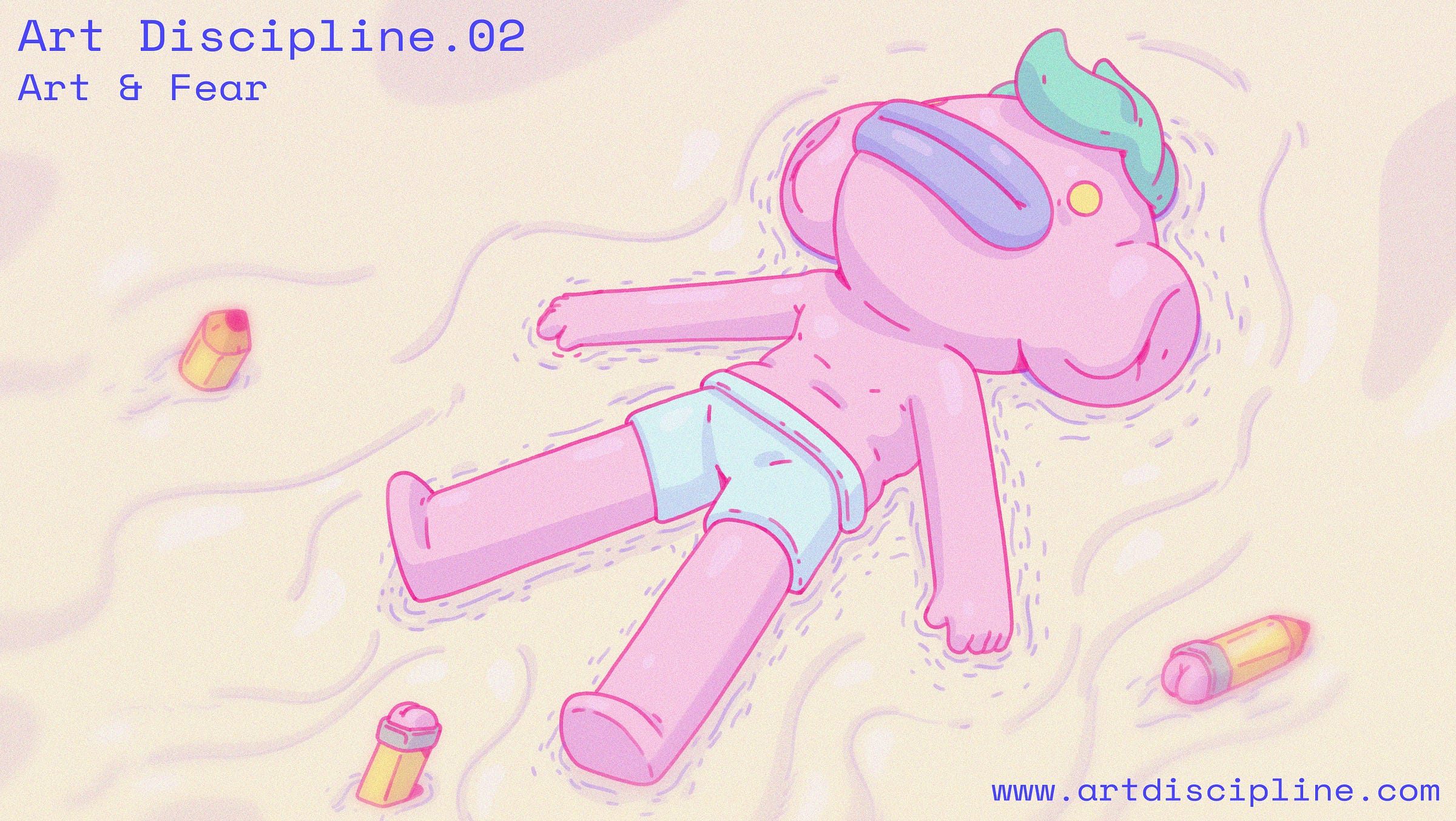
While working on Colorpoop animation project and designs, I’ve been having extreme doubts about what I do and why continuing making this silliness. Or why even bother trying to create stuff on my own.
Fear of making stupid cartoons? Maybe.
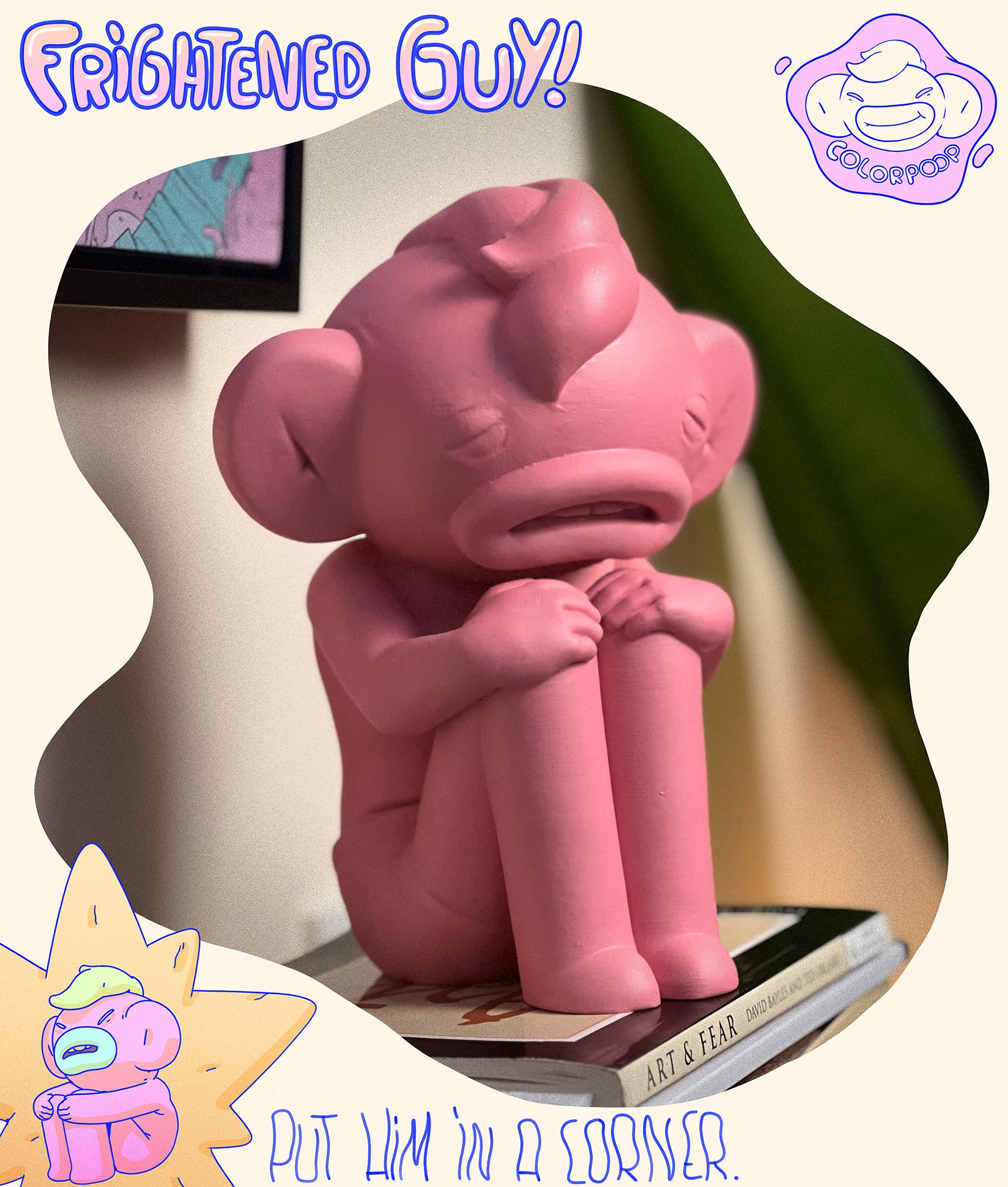
For this reason, we created Frightened Guy, a token to put on your desk. (Produced and brought to life by my good friend Guido and 3D model by the amazing Judit)
Doesn’t-work-at-all (whatever the function was haha) but here we are, who wants one?
Enjoying it? Get every issue by email.
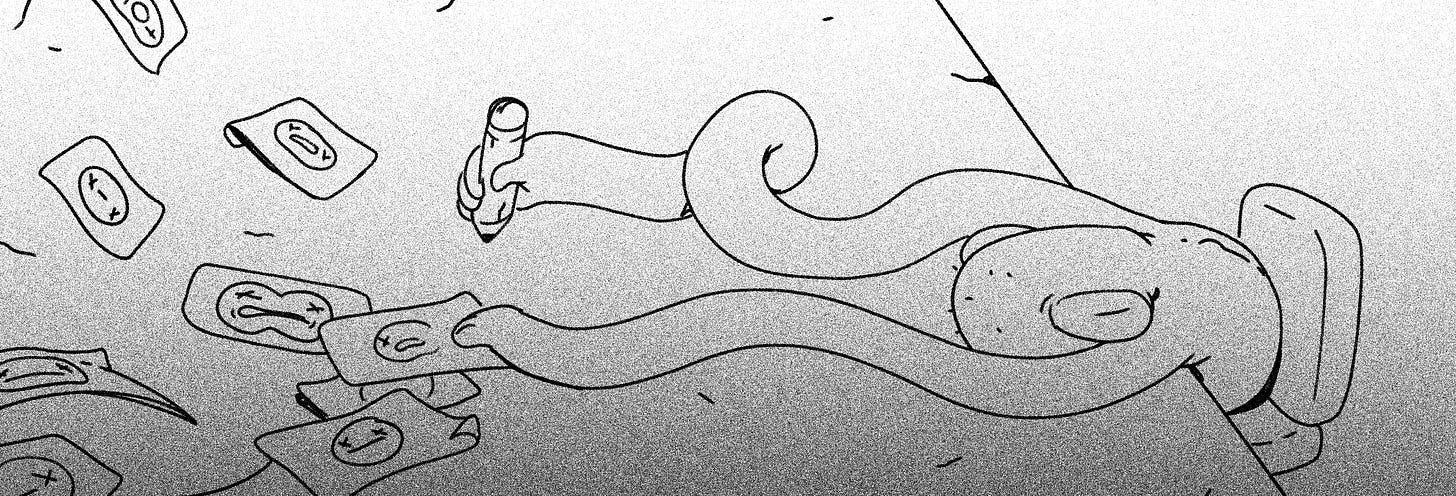
It doesn’t matter how long you've been drawing or creating, you probably keep thinking your work is crap. This feeling might never go away, lol.
Making art is tough, and we all face the same struggles when considering our work or careers.
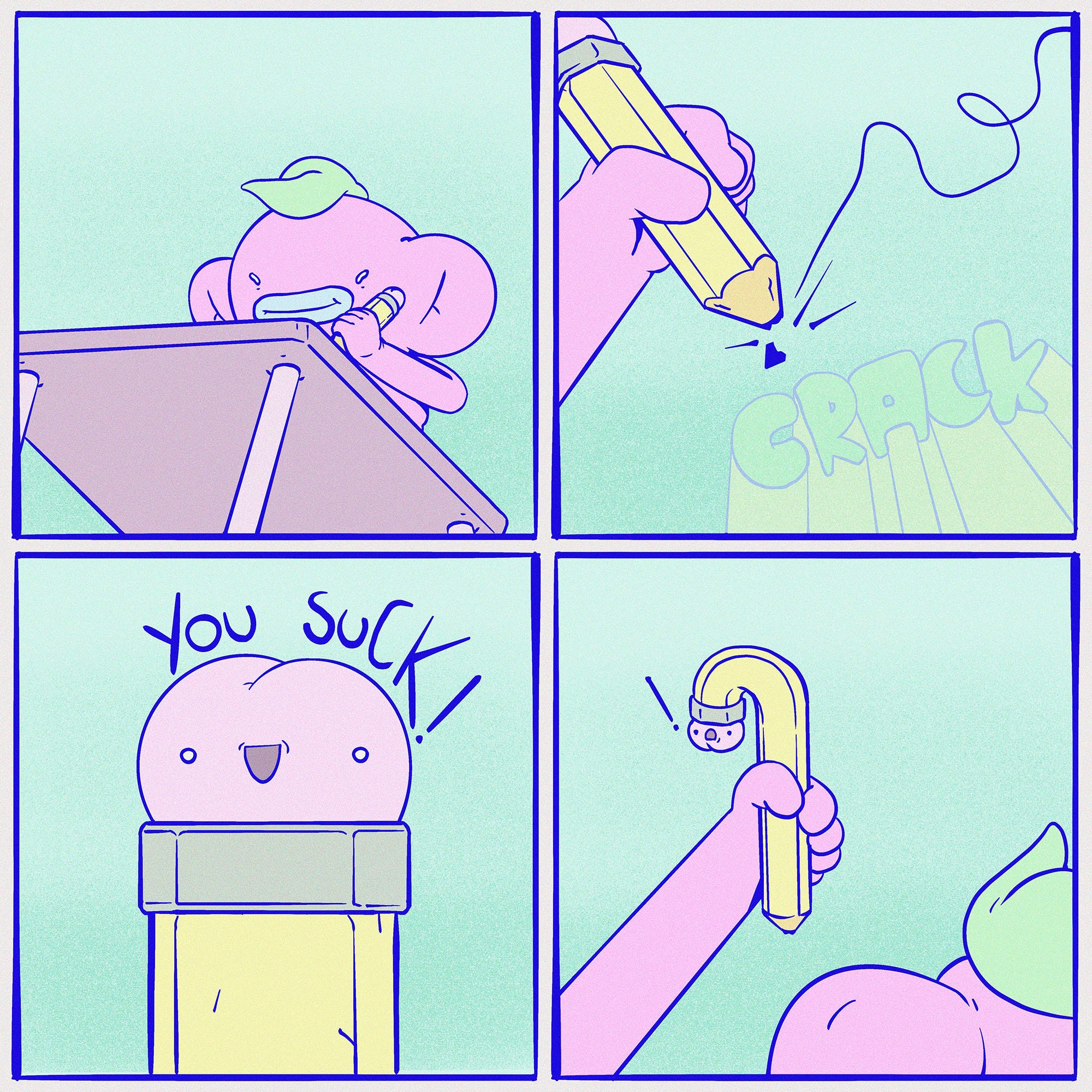
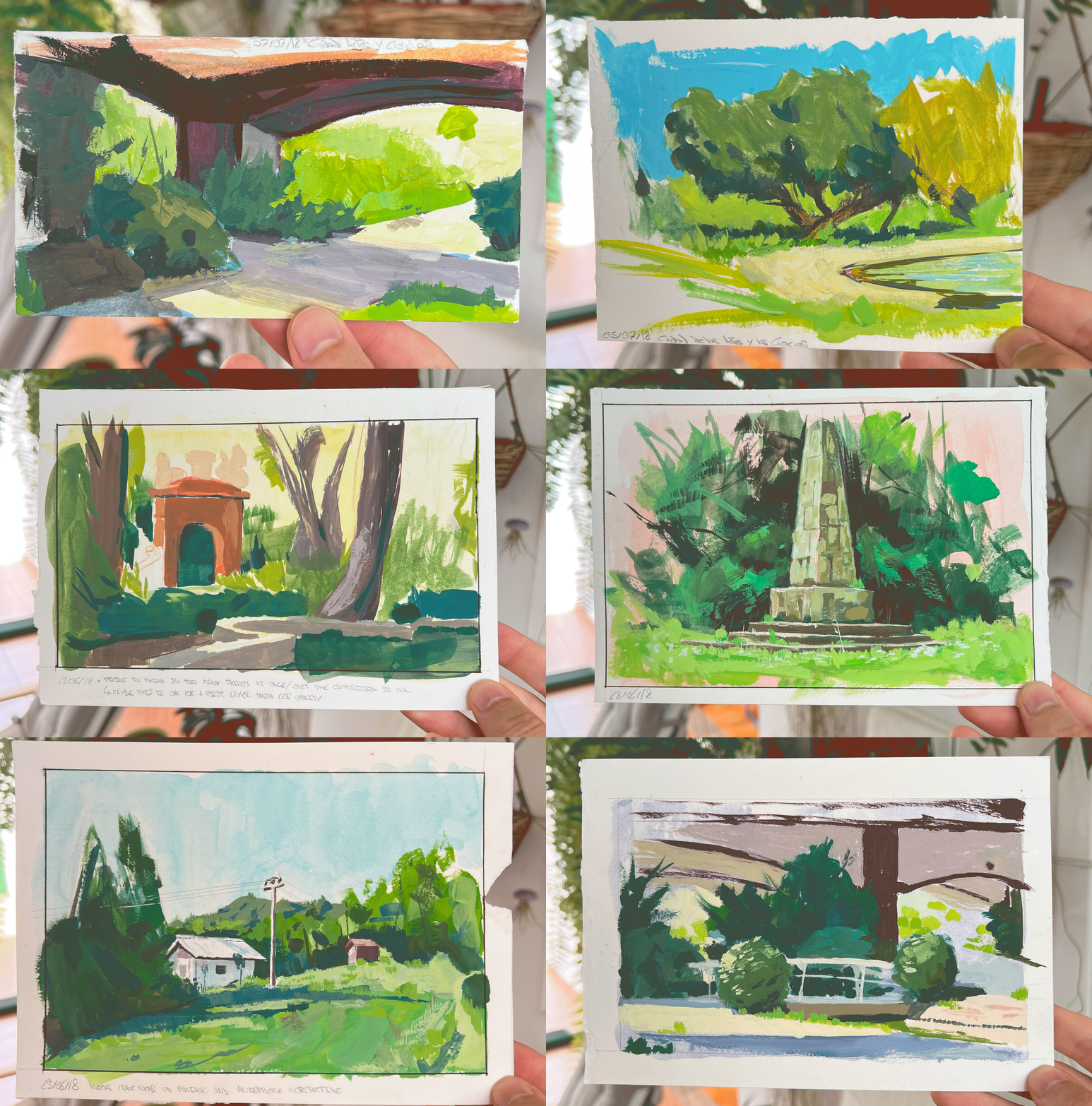
My perspective on art has evolved from trying to represent the world...
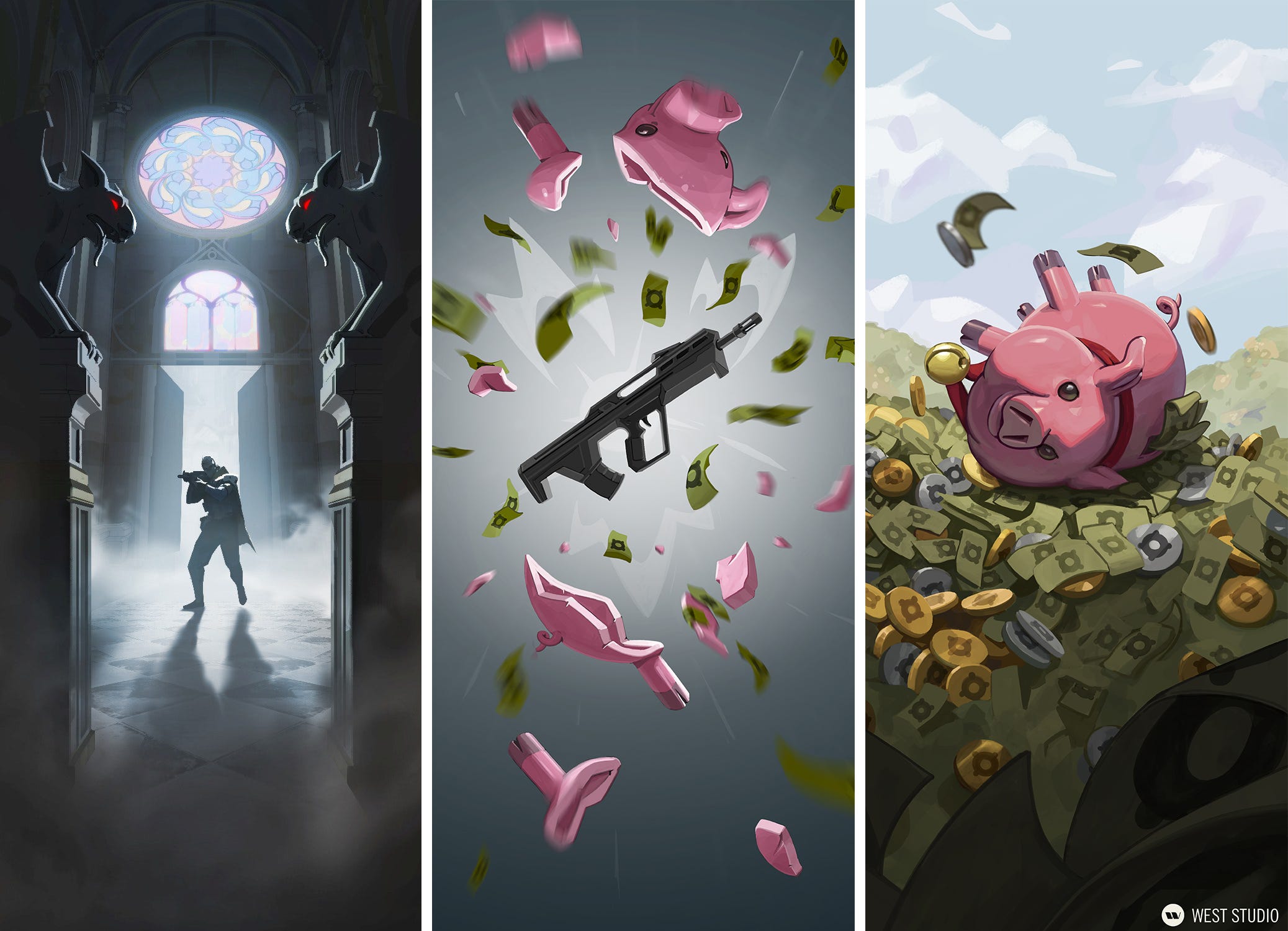
...to showing what I find funny in both content and form. Drawing silliness and trying to get studios to pay me for it (don’t tell them).

I found my niche as a concept artist in games and animation, designing in a fun and quirky way without worrying too much about a realistic result or about “what a design should be or look like”.
But that doesn’t mean I didn’t spend time learning fundamentals and realism to apply it to my professional work:
Artistic exploration never ends. We all face creative doubts and issues.
The key to making art is the constant work and discipline we put into creating, improving, surviving doubts, and finding our own path. It's a continuous loop of finishing a project and starting anew.
A constant flow on the theoretical side of art, the philosophy and questions that torment us along the way. I thought I’d have these “solved” by now, but nope :D.
The good news? You can learn to manage these issues better over time and clear your mind.
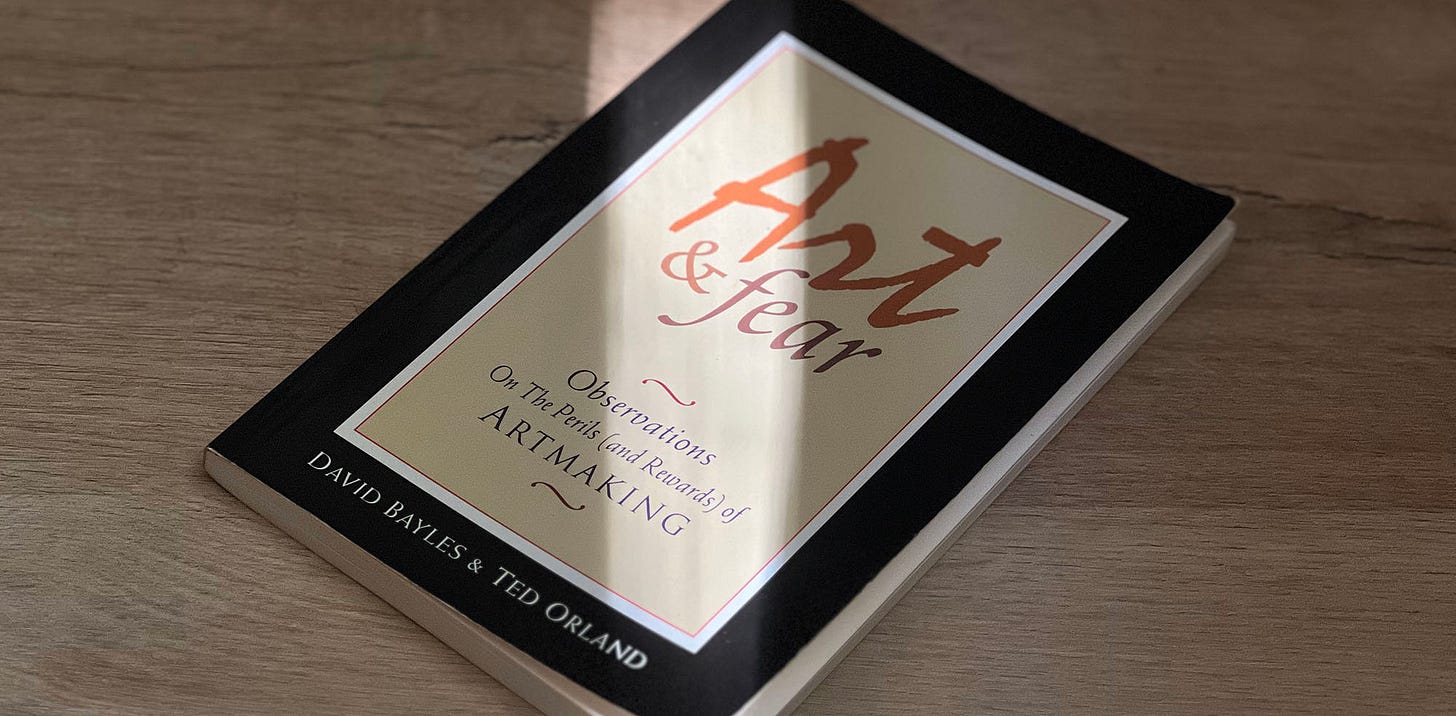
Recently, I revisited Art & Fear by David Bayles & Ted Orland. Regardless of your creative field, this book is a fantastic tool for addressing the doubts that plague us. It’s just 120 pages, with the first half being particularly useful.
This book has guided me through various stages of my career, addressing universal artistic struggles.
The difference between us and others is that we found something creative we love and didn’t stop pursuing it.
Here are a few of my favorite topics from the book that have helped me recently. I’ve separated some of the chapters and sections clearly for you to read at your own pace, getting snippets of wisdom to ponder.
Toilet material, friends.
Some of the best learnings from Art & Fear:
1. The Nature of the problem: Making Art is Difficult.
Art is about skills that can be learned
“Even talent is rarely distinguishable, over the long run, from perseverance and lots of hard work”
Like anything in life talent doesn’t matter if you don’t put the work, and if you put the work, over time talent doesn’t matter.
Making art and viewing art are different at their core
“The sane human being is satisfied that the best they can do at any given moment is the best they can do at any given moment. That belief, if widely embraced, would make this book unnecessary, false, or both. Such sanity is, unfortunately, rare. Making art provides uncomfortably accurate feedback about the gap that inevitably exists between what you intended to do, and what you did.”
This is key, vision will and should always be ahead of your execution abilities.
People will only care about the final result of your artwork, but for you, what matters is the process which will give you clues and tools for your next project.
“One of the basic and difficult lessons every artist must learn is that even the failed pieces are essential.”
Every artwork is teaching you about your own vision and state of mind. Is a bit cringe to say “failures are great, you can learn from them” but there’s some truth to that.
2. Art & Fear
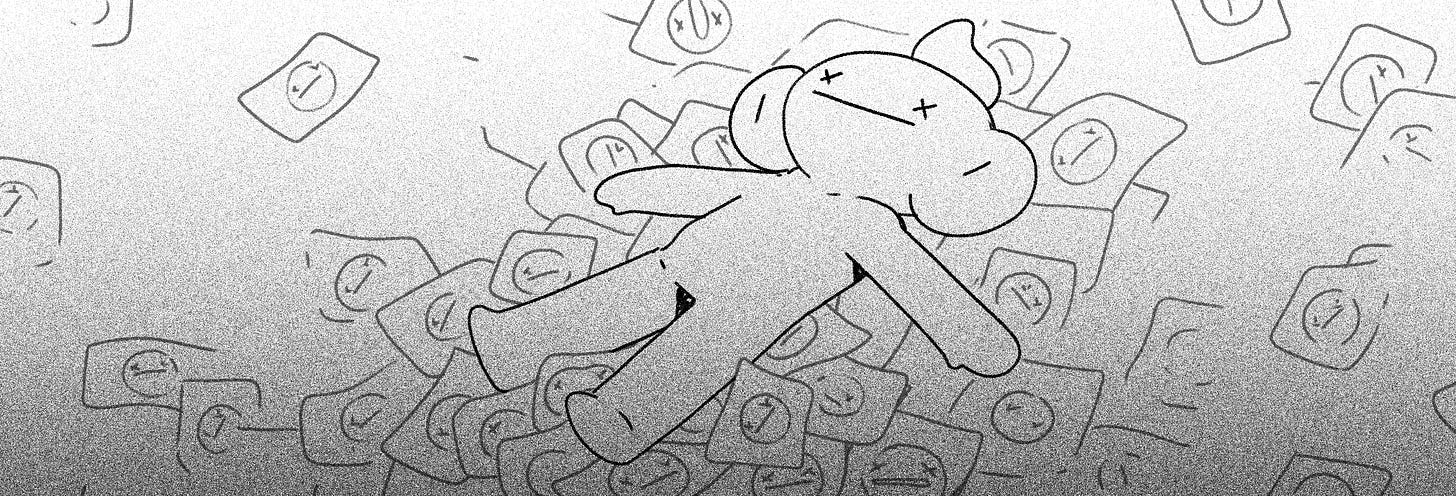
Learning not to quit - art is all about starting again.
“Those who continue to make art are those who have learned how to continue - or more precisely, have learned how to not quit.
Artists quit when they convince themselves that their next effort is already doomed to fail. And artists quit when they lose the destination for their work - for the place their work belongs.
Quitting happens once. Quitting means not starting again - and art is all about starting again.”
Vision & Execution
“David lamented to his teacher, “But I can hear the music so much better in my head than I can get out of my fingers.”
To which the Master replied, “What makes you think that ever changes?””
As mentioned earlier, this gap is a good thing so you can chase excellence and improve in a race against yourself (not others).
Imagination
“A finished piece is, in effect, a test of correspondence between imagination and execution.”
This part gets you to think about the meaning of starting vs finishing a piece. It may look like is not as practical as the other subjects, but for me, this helped a lot.
Controlling your thoughts and impulses to start a new artwork or project when you’re working on something already. May sound obvious at this moment, but think about those illustrations or projects you have in progress.
You are working on something when, suddenly, the coolest idea pop into your brain and you think it would be a fantastic idea stopping what you’re doing now, to do something about this new thing. A moment later you got a folder full of wip canvases. And not the fullfilment and learning of finishing an artwork.
Shame on you. Just kidding, we all do this.
“It’s the same for all media: the first few brushstrokes to the blank canvas satisfy the requirements of many possible paintings, while the last few fit only that painting - they could go nowhere else.
Your imagination is free to race a hundred works ahead, conceiving pieces you could and perhaps should and maybe one day will execute. All you can work on today is directly in front of you. Your job is to develop an imagination of the possible.”
Uncertainty
“Art is like beginning a sentence before you know its ending.
Control, apparently, is not the answer. People who need certainty in their lives are less likely to make art that is risky.
Uncertainty is the essential, inevitable and all-pervasive companion to your desire to make art.”
Working for a company often involves people fighting uncertainty as much as possible, trying to eliminate artistic risk. But anything artistic involves risks. And we already know how something “certain” looks like; boring or like crap most of the times. Take risks to find your own voice.
3. Fear about yourself
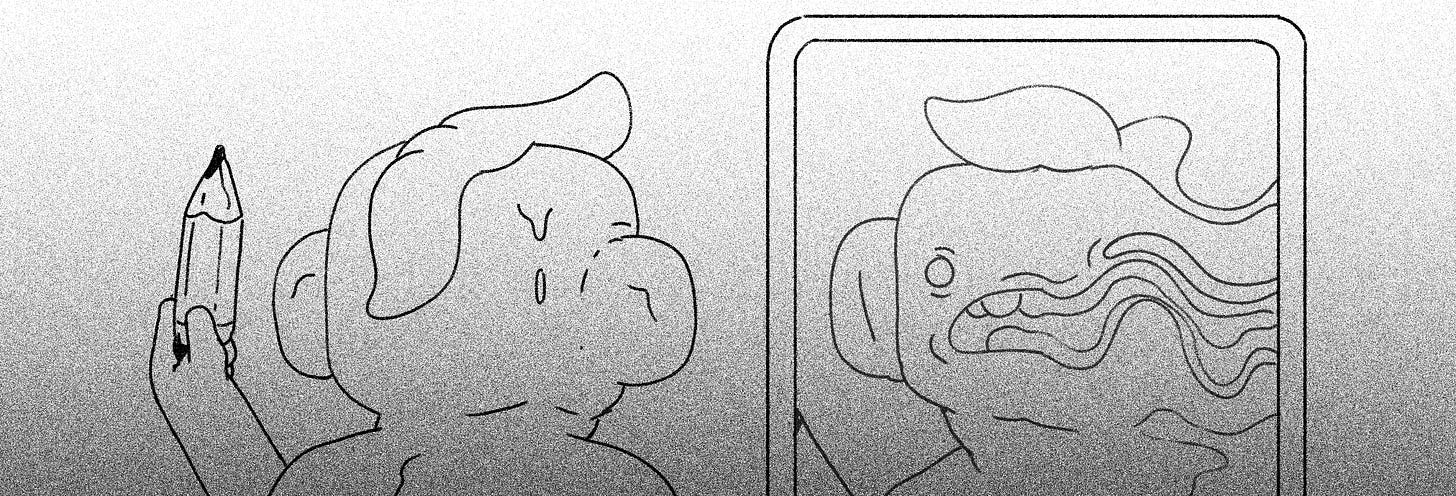
Pretending
“While you may feel you’re just pretending that you’re an artist, there’s no way to pretend you’re making art.
You make good work by (among other things) making lots of work that isn’t very good, and gradually weeding out the parts that aren’t good, the parts that aren’t yours.
It’s called feedback, and it’s the most direct route to learning about your own vision.”
Every project creates feedback, not just from others telling you their opinion, but actual feedback that you can see. Like pressing a button and getting a click sound as it’s been activated, there’s a response.
Perfection
Quantity vs Quality
This is one of the most common issues and discussions. But something that has been proved over and over is that when you’re learning something is better to do many repetitions and tries, instead of obsessing over one piece.
Even with experience and a desire for excellence, you must avoid paralyzing your work process in the pursuit of perfection. Striving for perfection often leads to unfinished projects that only seem perfect in your mind.
“If you think good work is somehow synonymous with perfect work, you are headed for big trouble. Art is human; error is human; ergo, art is error.
For you, the seed for your next art work lies embedded in the imperfections of your current piece. Such imperfections are your guides to matters you need to reconsider or develop further.”
Expectations
“Expectations drift into fantasies all too easily.
Given a small kernel of reality and any measure of optimism, nebulous expectations whisper to you that the work will soar, that it will become easy, that it will make itself.
Expectations based on the work itself are the most useful tool the artist possesses. What you need to know about the next piece is contained in the last piece.“
Here they are talking about the balance between “fantasies” and “calculations” and how these are the two extremes in the expectations.
Too much calculation gets you into spending your time making To Do lists and planning everything out instead of doing the work. And too much imagination and you get into fantasies of how the project will be.
Doing the work is doing the work. How easy and stupid is saying these kind of definitive statements. That’s why I think this book is important.
Let’s stop here for now.
I hope you find this summary useful and help you if you’re stuck or finding some of these issues in your own work.
See you around :)
P.S. More about Colorpoop soon.
Art Discipline is an independently-run newsletter. If you’ve enjoyed it, consider sharing it with others.
Free brushes and tutorials here!
Prints here! Free shipping with the code: FREE
Enjoying it? Get every issue by email.

Free monthly newsletter
Enjoyed this? Get the next one.
Art Discipline lands once a month. Free, honest, a little weird.
No spam, one email a month. Grab the free Photoshop Toolkit too.