How to Make an Impactful Artwork for Supercell
 Germán Reina Carmona
Art Discipline is a monthly publication to learn about art in the game industry from the artist behind OlliOlli World, currently at Supercell. Dive into character design, world building, and creativity. Stay creative, Stay weird.
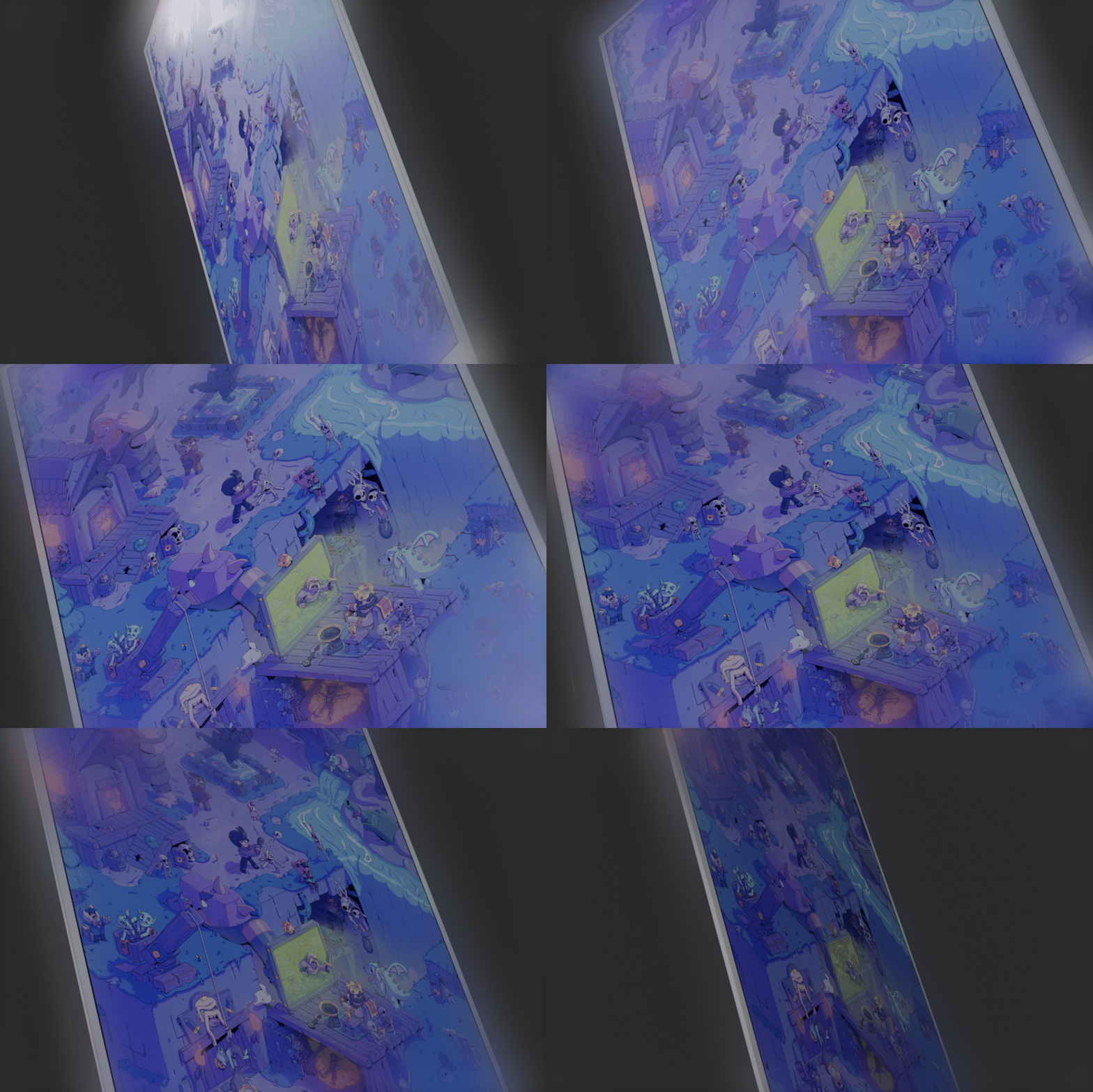
A lot of creatives panic when facing a big brief.
Earlier this year, Supercell reached out to create an illustration to celebrate their 15th anniversary.
To capture 5 games, 15 years and countless screaming Barbarians.
All in a single image.
Here’s how I broke it down and what you can apply to your own work when facing a big task.
Funny detail: I was already working on Clash of Clans but this was a separate team within the company.
Creative Paralysis
This kind of project causes creative paralysis because you may try to solve everything at once.
How to solve this Paralysis by Analysis in this case?
Break the problem down.
From abstract → visual
From big → small
Focus on the thing that has the most impact to the viewer and will be the fundamental for the artwork: Composition.
Ask yourself these questions:
What do you want to tell?
What feeling do you want to express?
How should the viewer experience the image?
Sometimes working for a key art for a game you may want to express the possibilities of the game itself.
For example:
Enhancing the exploration part of it if it’s an open world game.
Maybe you want to express the mysteries that a specific world got for you to try to unfold.
Sometimes you need to show key gameplay aspects. In OlliOlli World the fact that you skateboard through a path exploring a crazy world had to be seen and understood in a single image.
What was my goal here?
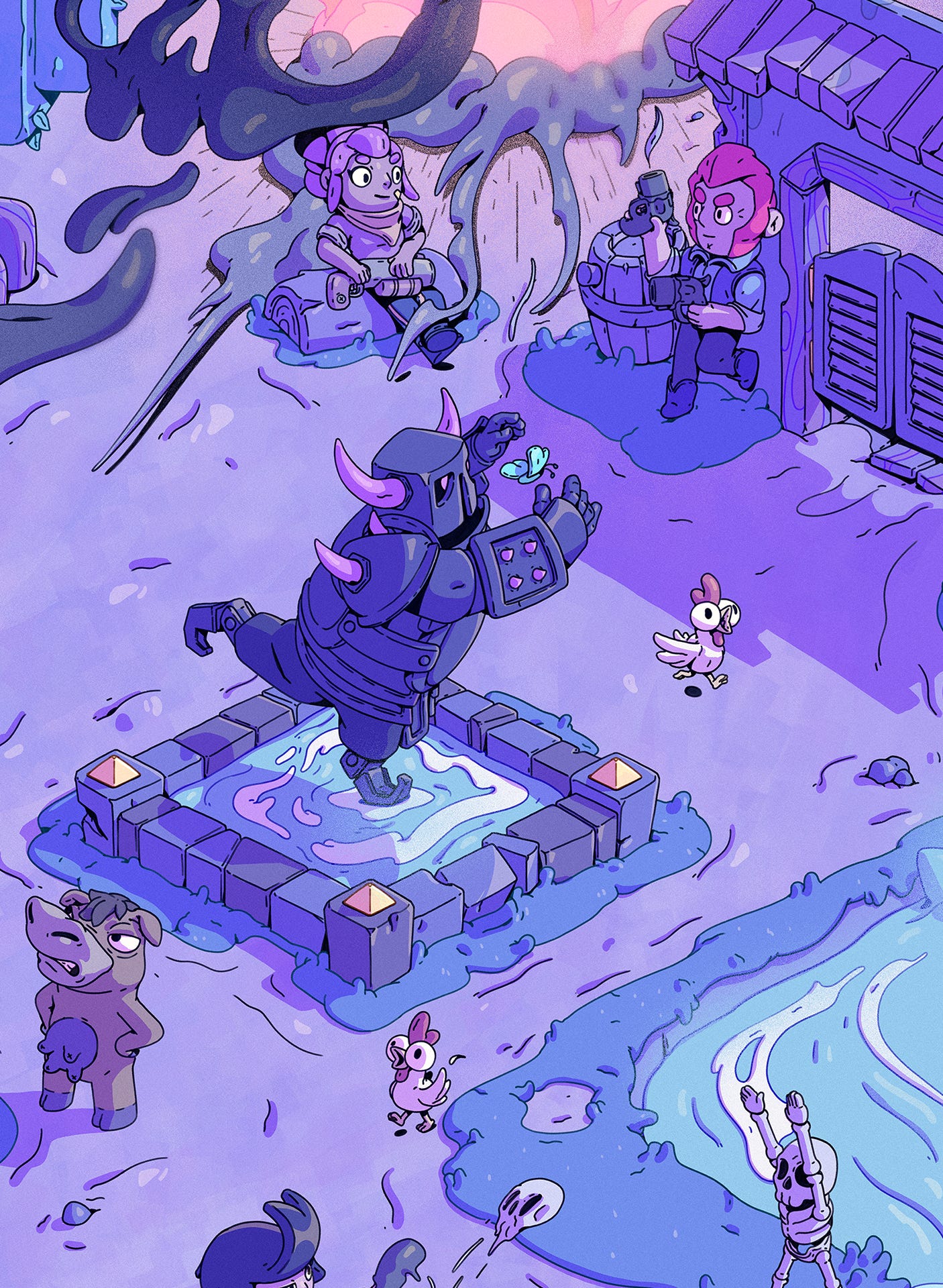
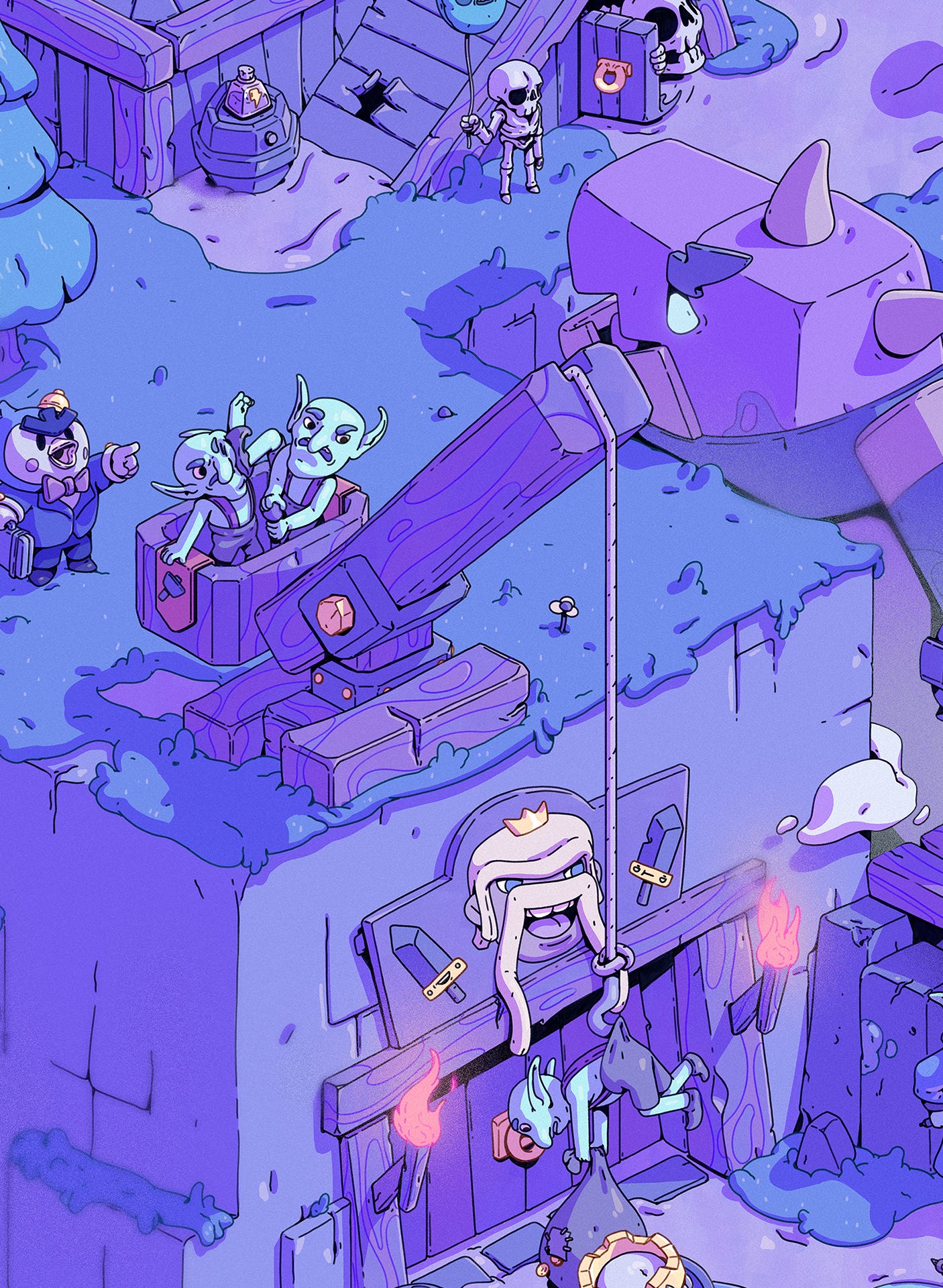
To show the craziness of Supercell’s worlds in a playful, funny way. Following their sense of humour.
Let the viewer travel through the illustration, discovering little stories like you would do in their games, and enjoy the cool characters Supercell has created over the years.
I started sketching whatever popped into my head, chasing the first instinct.
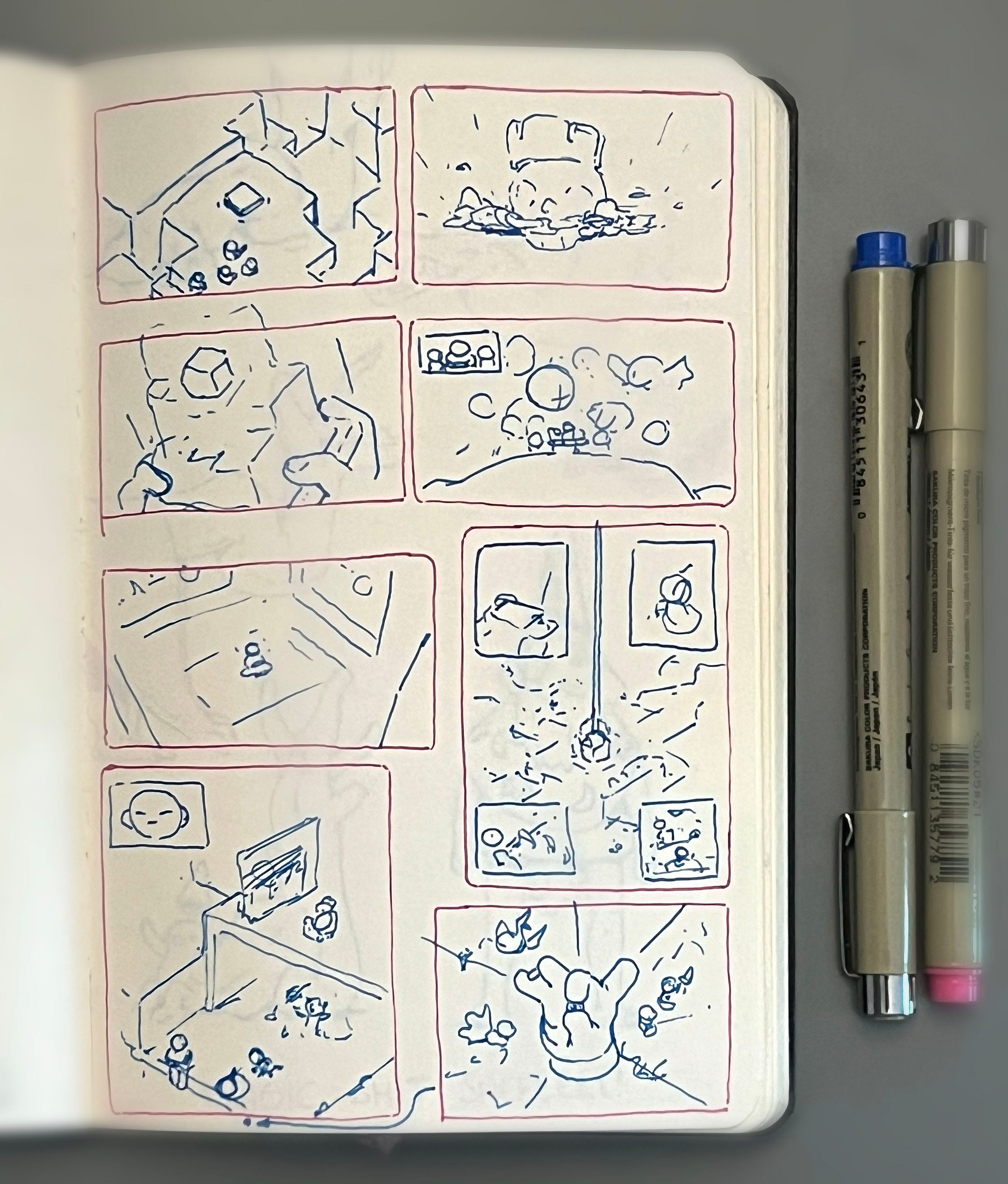
(You can go check inspiration to get rolling first if feeling stuck.)
Finding the Right Format
Some early ideas looked nice but didn’t work.
I considered a cinematic shot but it felt off. Supercell already has cinematic material.
But the answer was in front of me: go isometric.
It mirrors their games POV.
It lets me build multiple tiny scenes.
No visual hierarchy with the different IPs.
This gave me a visual framework to start building the world.
Process (Without losing your mind)
Once I had the layout, I built a reference board:
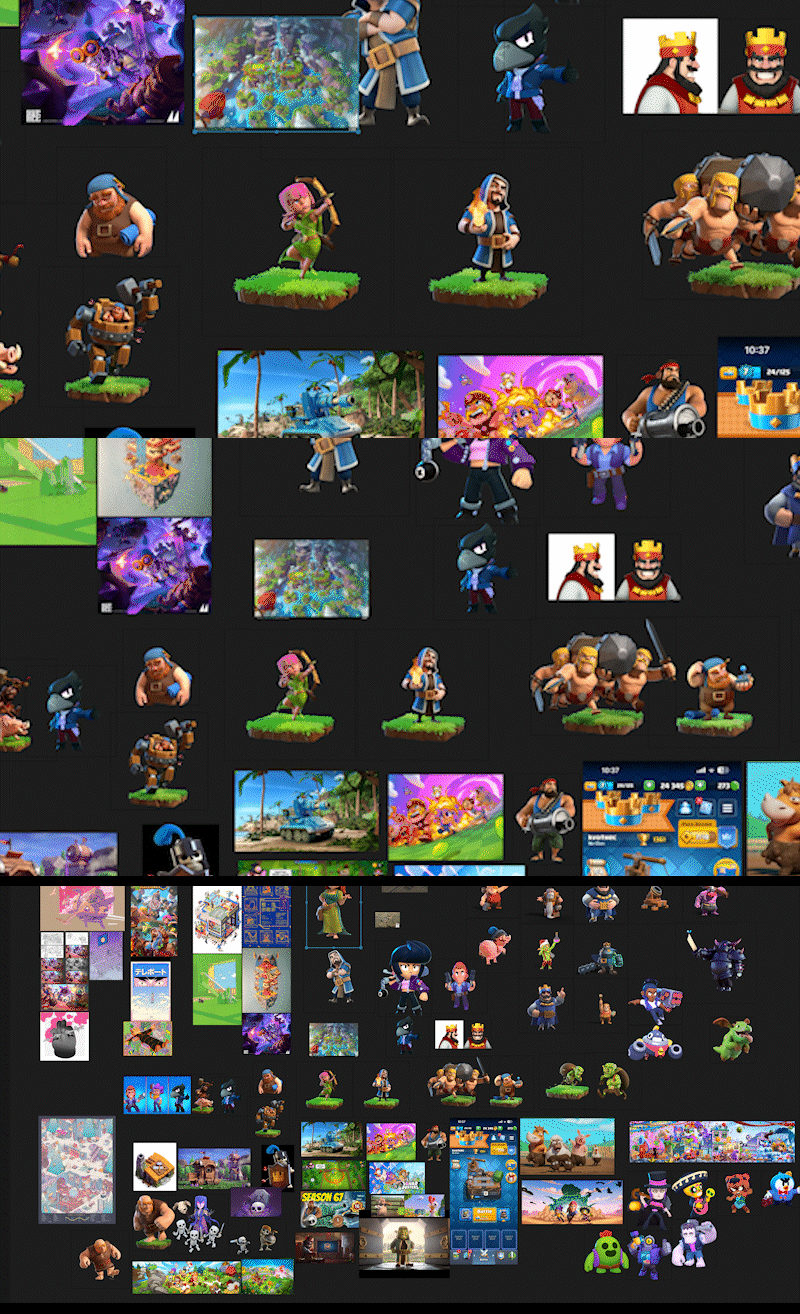
Time to sketch and send it over.
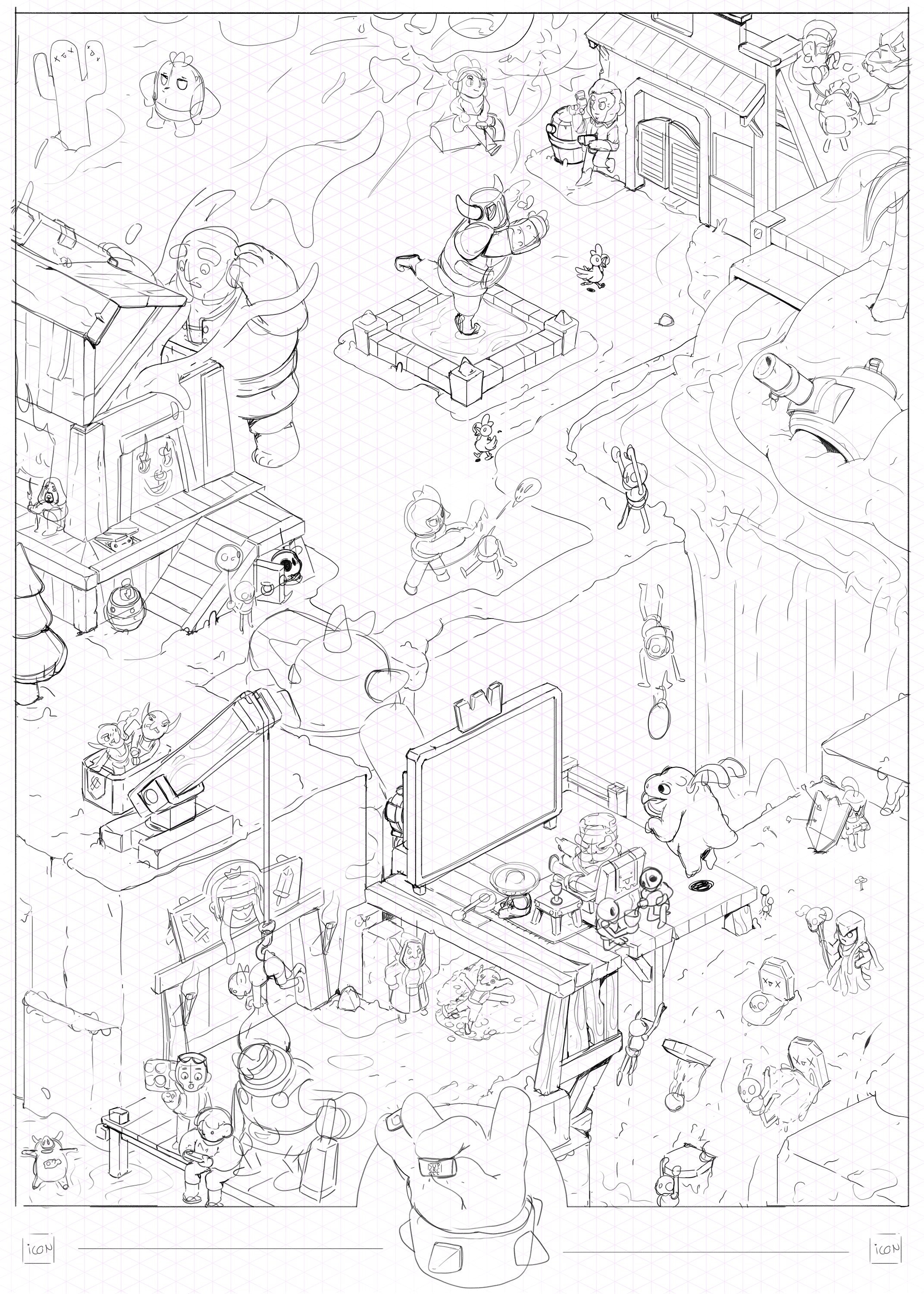
Approved by the client.
Now the fun part, hundreds of hours of line art:
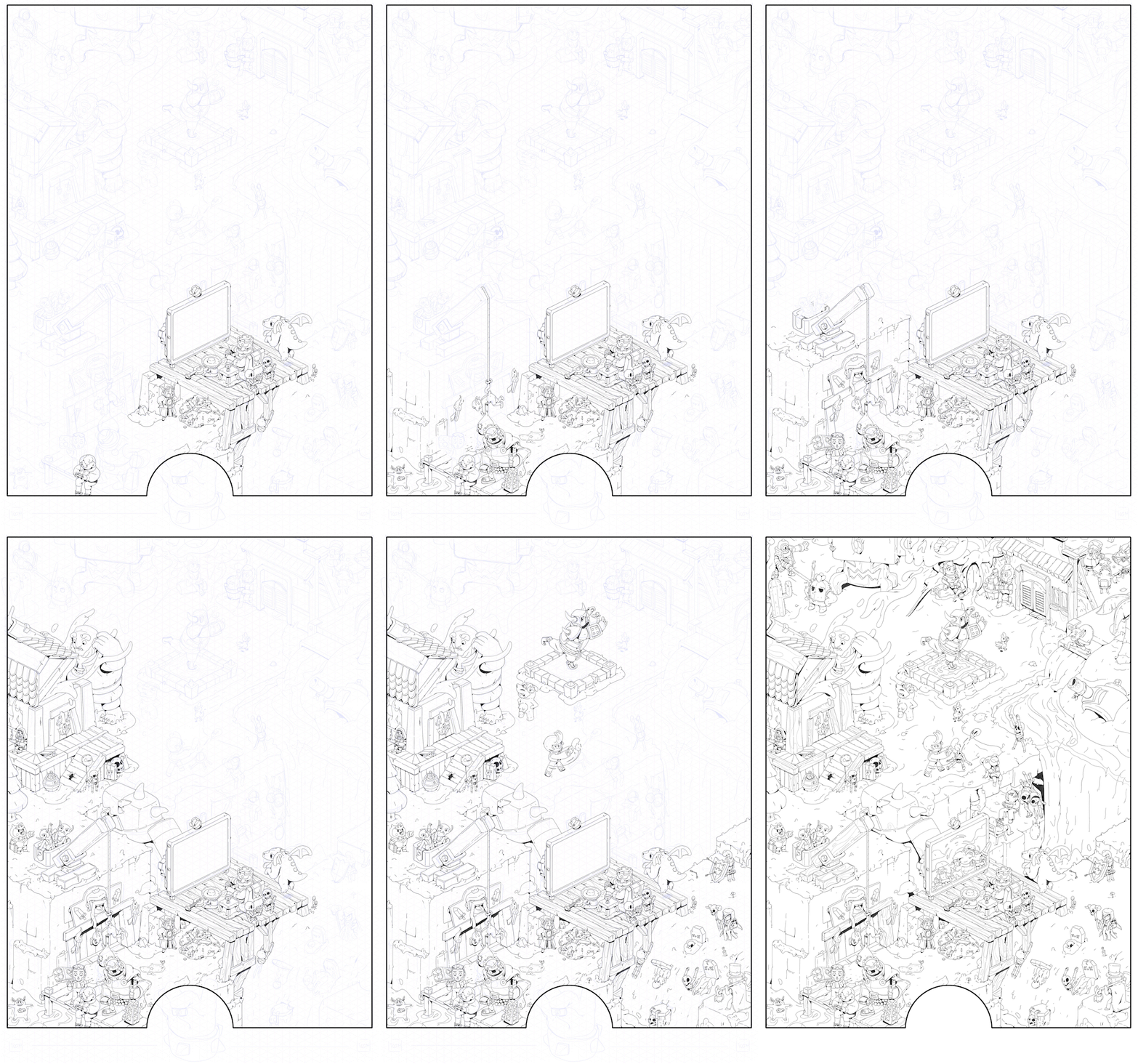
Coloring Nightmare
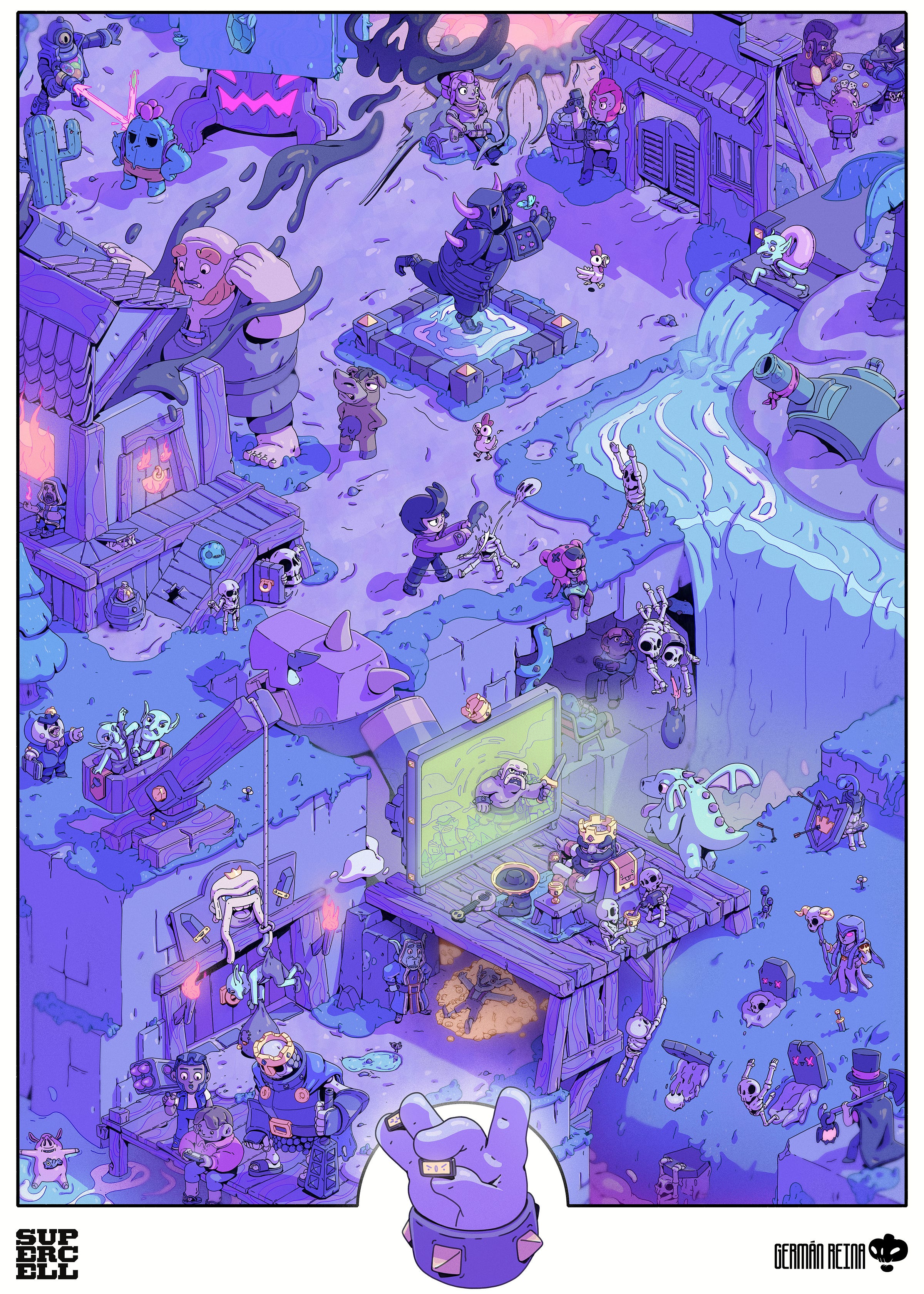
Color came next. The file was huge (1.5 meters height for print)
So I broke it down:
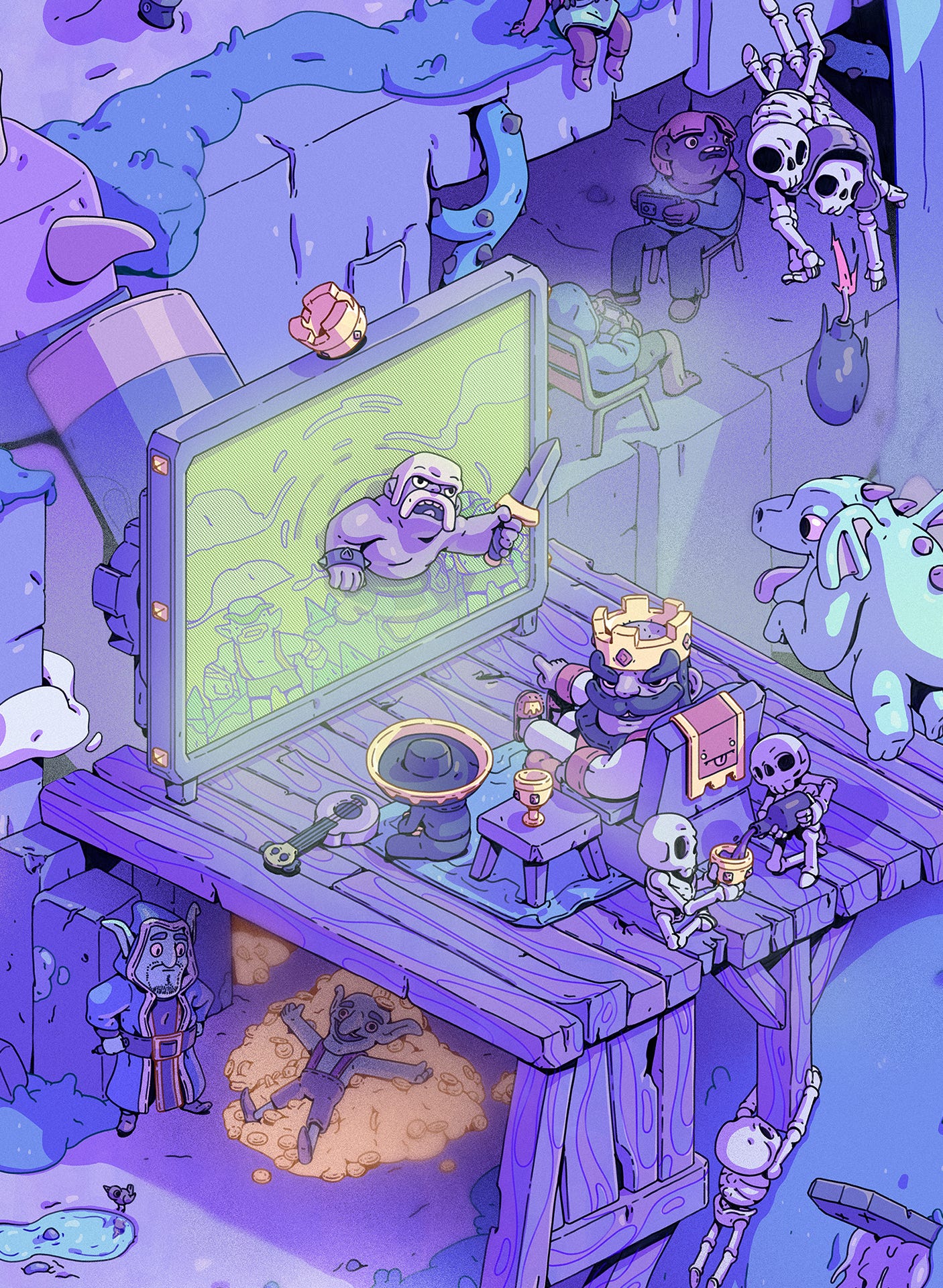
Flat colors to block zones and set the mood.
Cool-toned palette with warm accents.
Focus on clarity, color has to help the composition and feeling you want to share with the viewer.
Shadow pass: Multiply layer + mask. Quick, editable, and no mess when revisiting.

Then came the fun stuff:
Glows.
Highlights.
Depth tricks.
Make the image feel alive.
Story First
Skill makes something look good.
But creating the story is what makes it matter.
You can render a beautiful image.
But if it doesn’t say anything, it vanishes.
A good story gets remembered.
Stay Creative,

Art Discipline is an independently-run newsletter. If you’ve enjoyed it, consider subscribing and sharing it with others.
Character Design Tutorial and Free Brushes here!
Enjoying it? Get every issue by email.

Free monthly newsletter
Enjoyed this? Get the next one.
Art Discipline lands once a month. Free, honest, a little weird.
No spam, one email a month. Grab the free Photoshop Toolkit too.