Finding Your Voice as an Artist
 Germán Reina Carmona
Art Discipline is a monthly publication to learn about art in the game industry. Dive into character design, world building, and creativity.
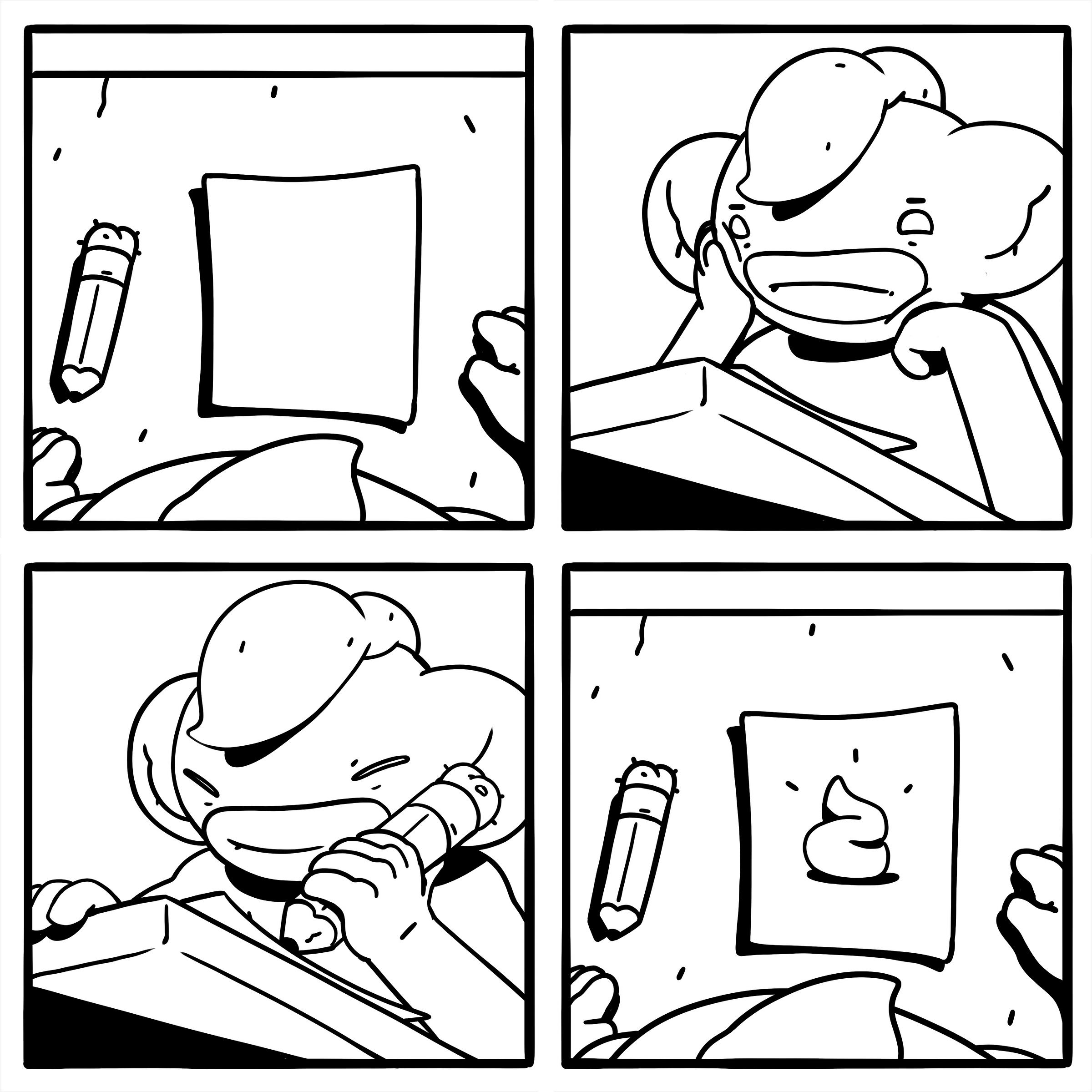
Ever feel like that? When creating something doesn’t click?
I’ve been stuck there for a while with illustration.
And I’ve started to figure out why.
This drop might help if you’re not finding your voice.
Concept Art: A Strength That Becomes a Limitation
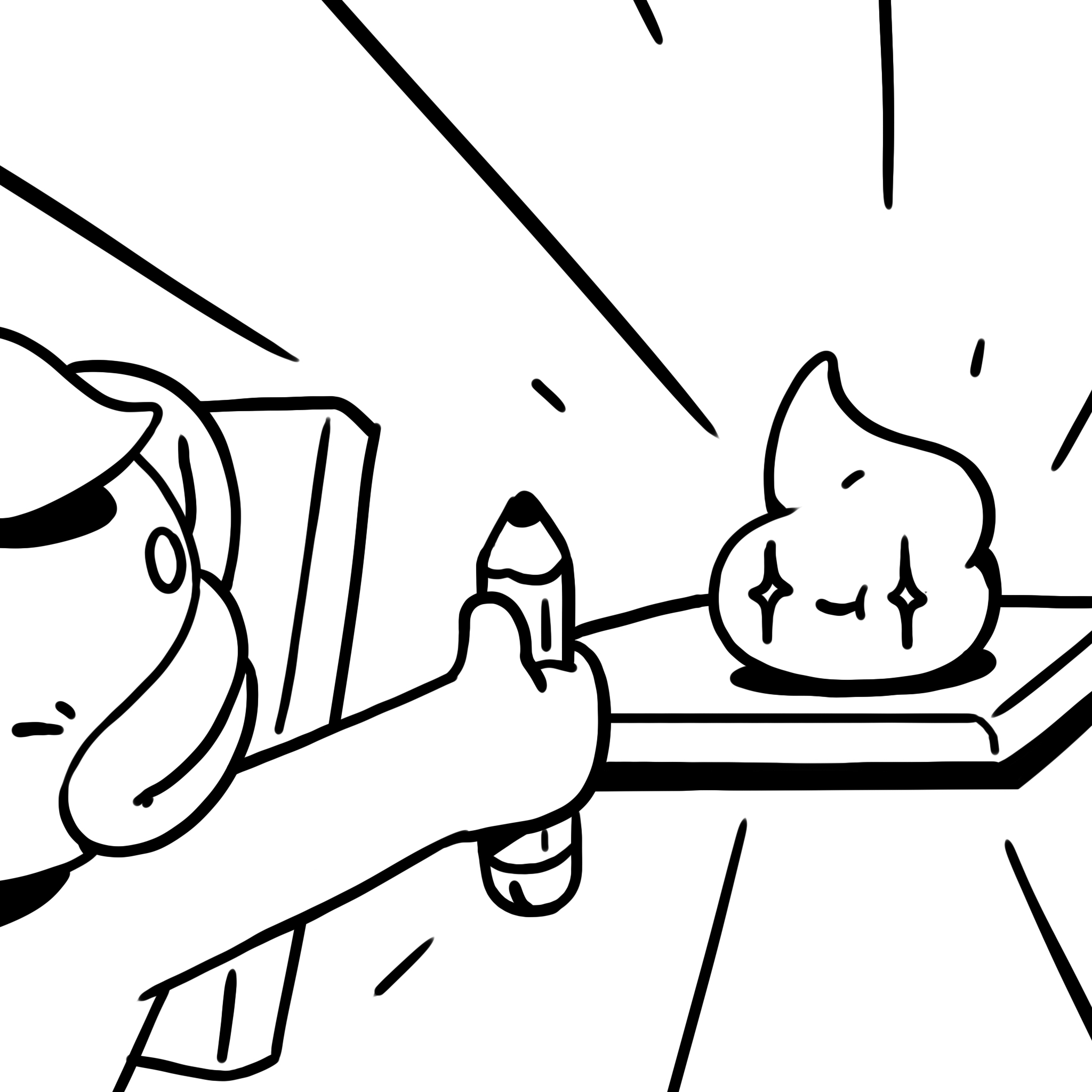
For the last few years, I’ve worked primarily in video games, specifically doing concept art and visual development.
This is about creating the preproduction of the game, building the world; and then solving problems as they appear during production.
The artwork you create is not an end by itself, it’s a piece inside a bigger picture. It’s a tool. A stepping stone for something else.
That means that a concept doesn’t need to look polished and ready to consume.
Concept art teaches you to think inside a product.
Working as a concept artist makes you a better designer and allows you to develop your own visual style by repetition. Creating characters, props and environments over and over gets to grow your visual library.
Repetition built confidence.
But it also built habit.
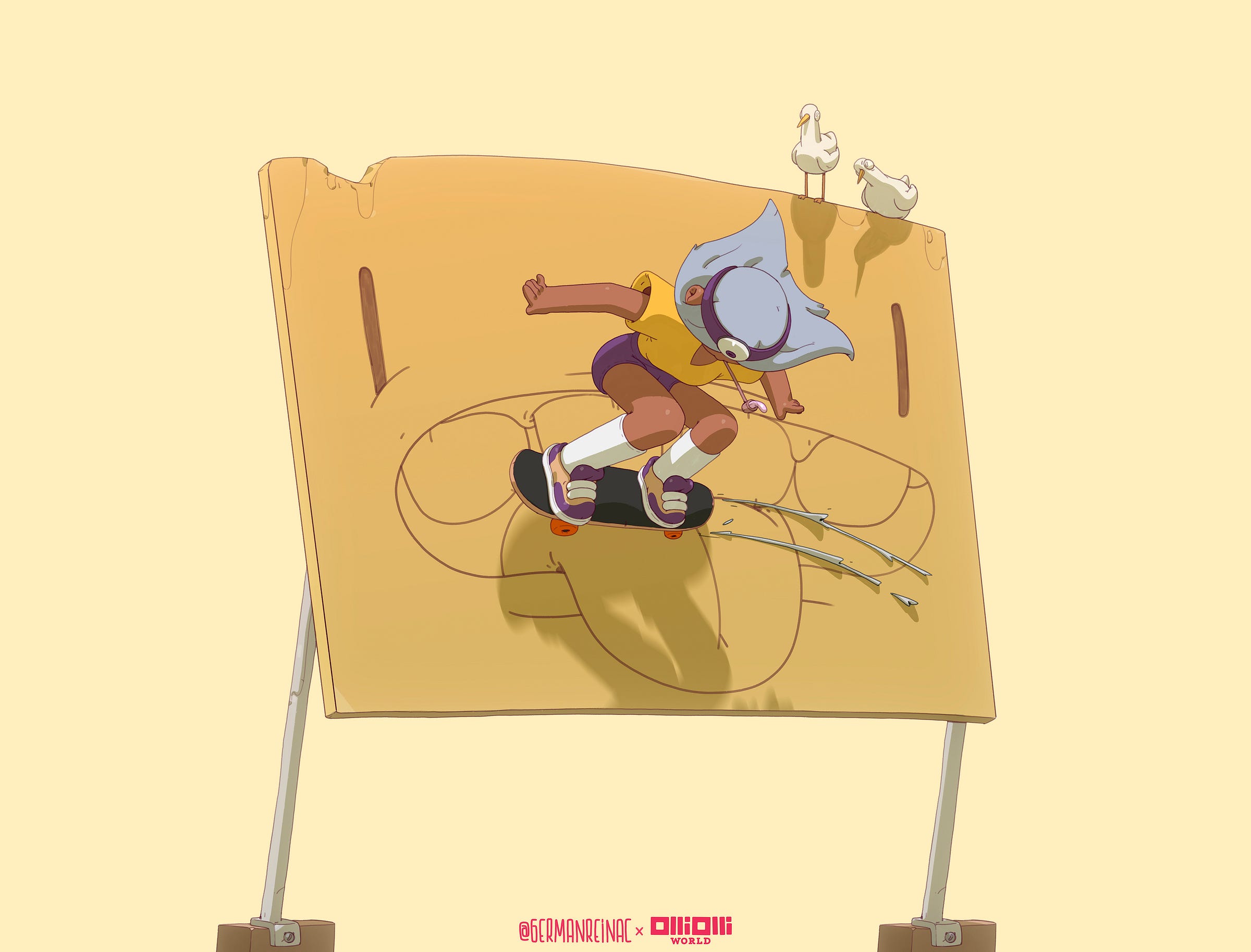
But here is the issue: concept art is never the final product.
In concept art, your job is to serve something bigger.
In illustration, your image is the story. It has to speak for itself.
And when I make an illustration, I get stuck on the same process.
Illustration is a Different Beast
An illustration is a storytelling piece by itself that an audience will experience.
Finding your voice in this aspect is what I feel it’s missing in my own work.
The same process I use for concept art doesn’t work when I try to illustrate a print, comic panels, or even t-shirts.
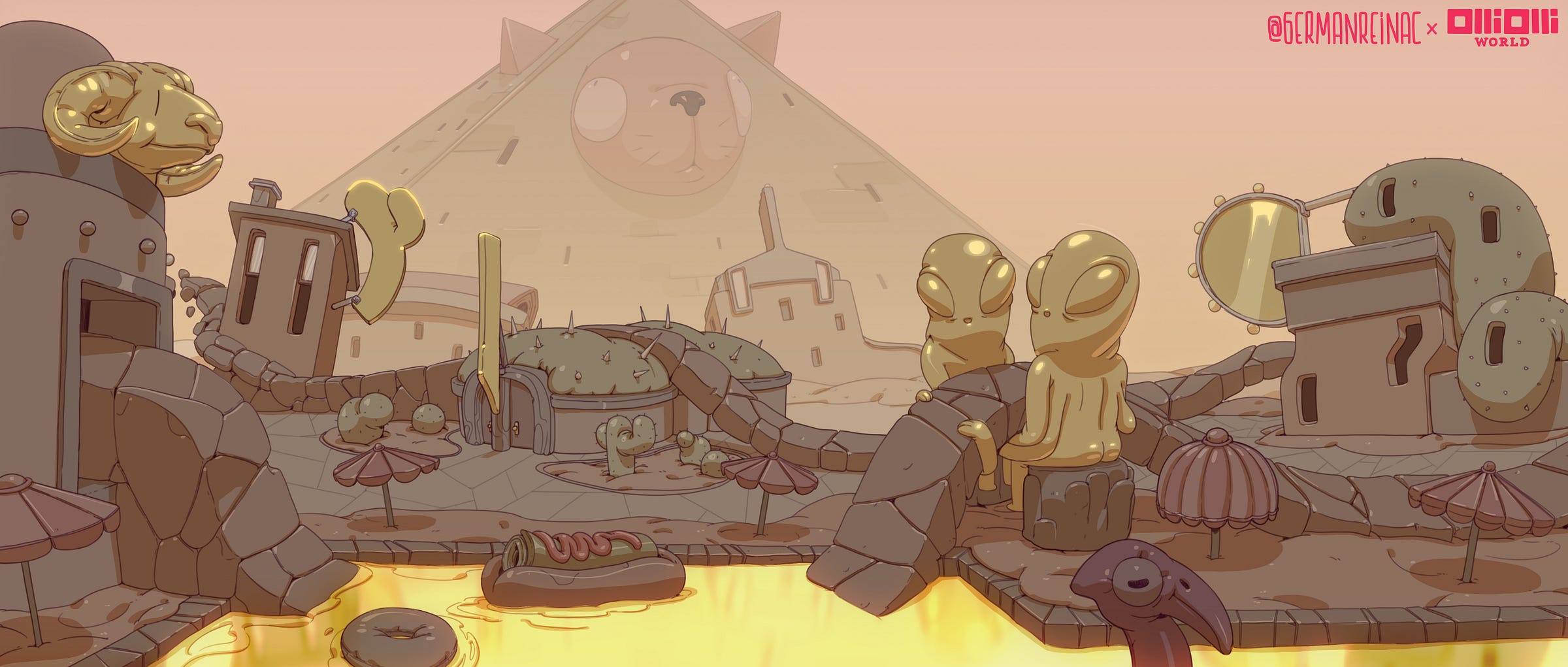
Working on a final product directly for an audience is different than creating concept art for an entertainment project.
Context is Everything
In entertainment we tend to frame illustrations like a movie shot.
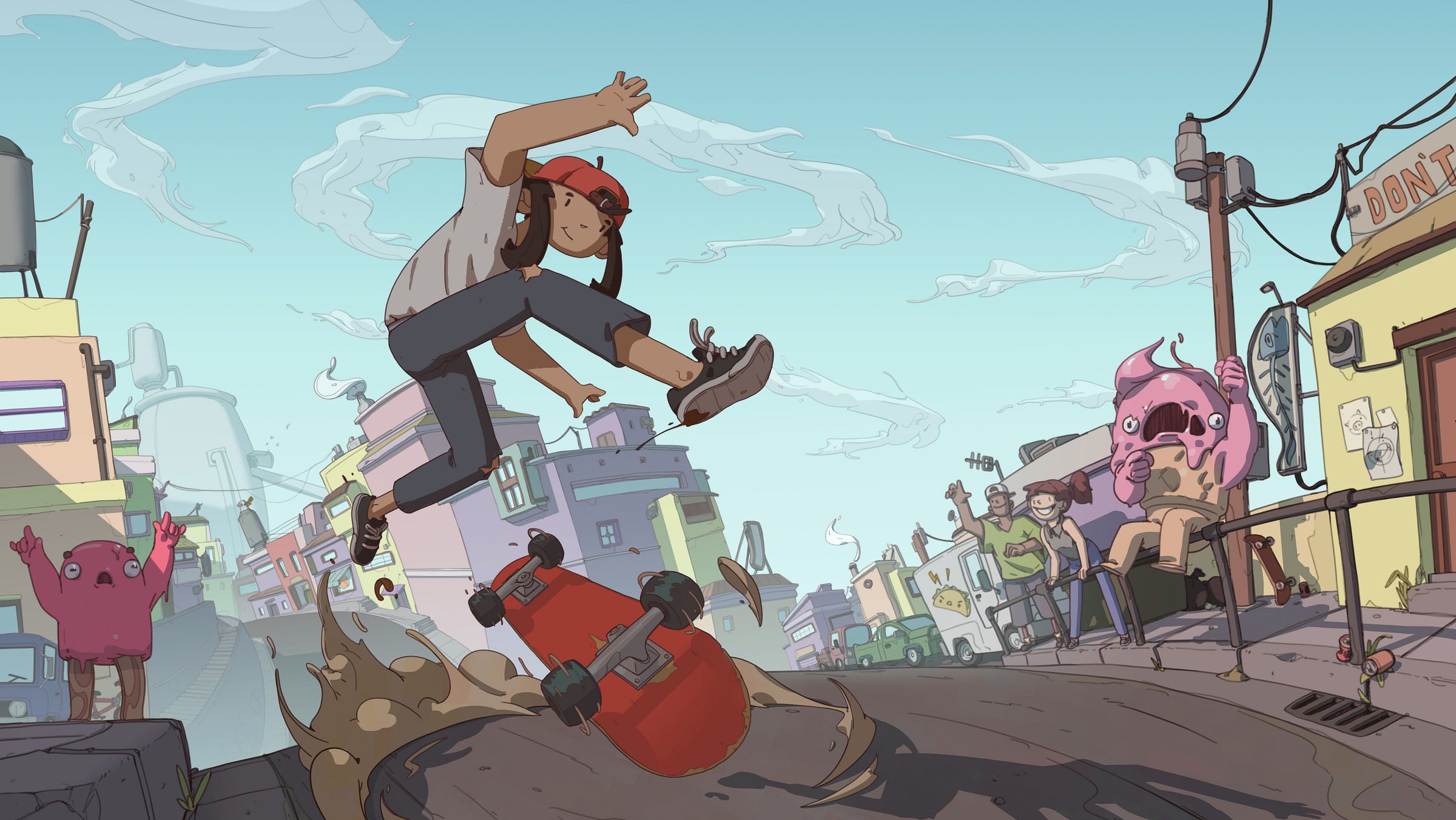
Cinematic shots feel safe but they’re not always right for every format like an illustration to print or comic panels.
The freedom to tell a visual story is wider.
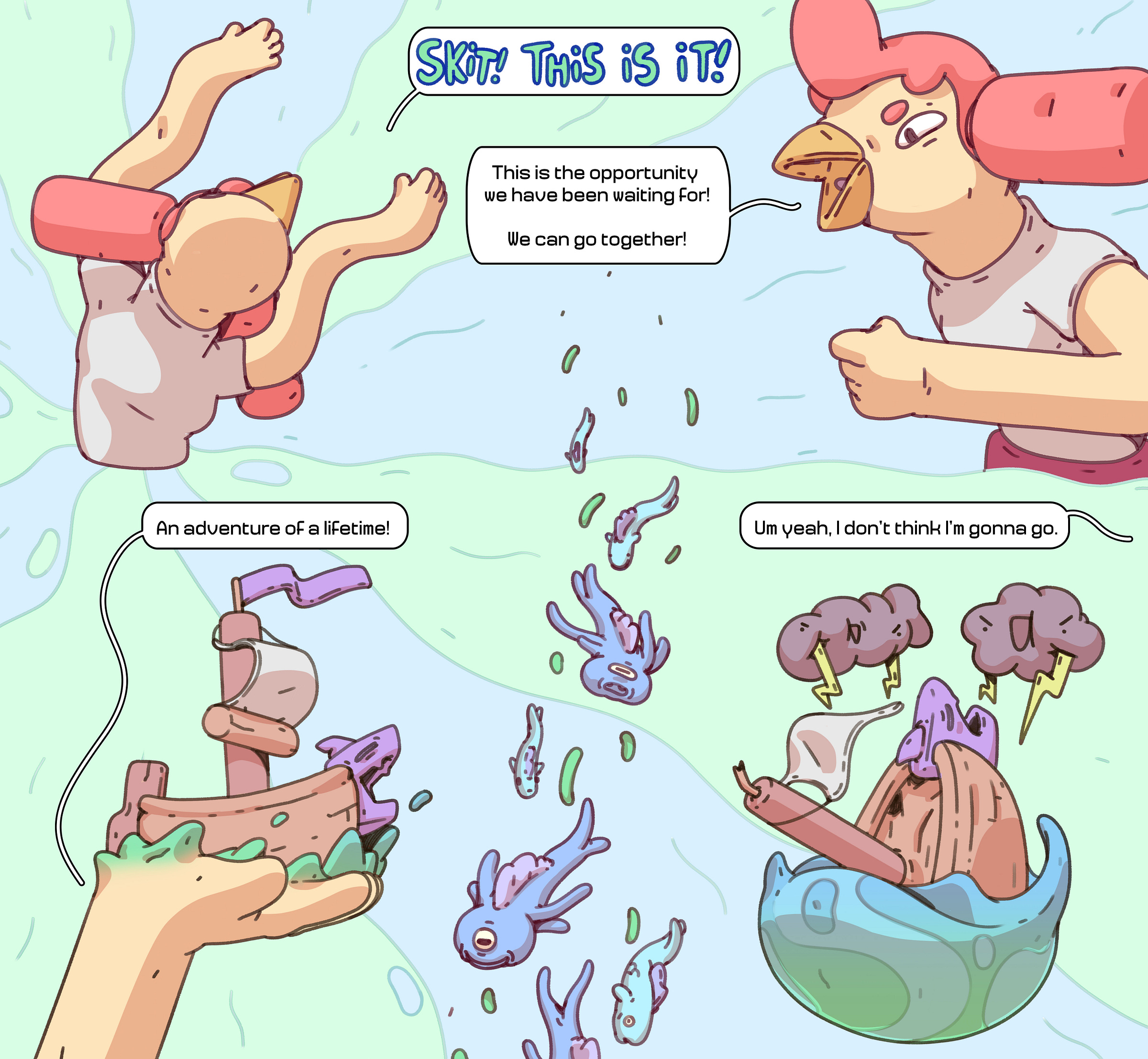
I always found difficult to find my own voice for illustration, to tell stories with images with a visual way that looked solid to me.
Meaning, the final look: line art, colors, visual treatment.
Honestly, that’s part of why I don’t sell prints.
Because I don’t think my art pieces are strong enough to live on their own, for now.
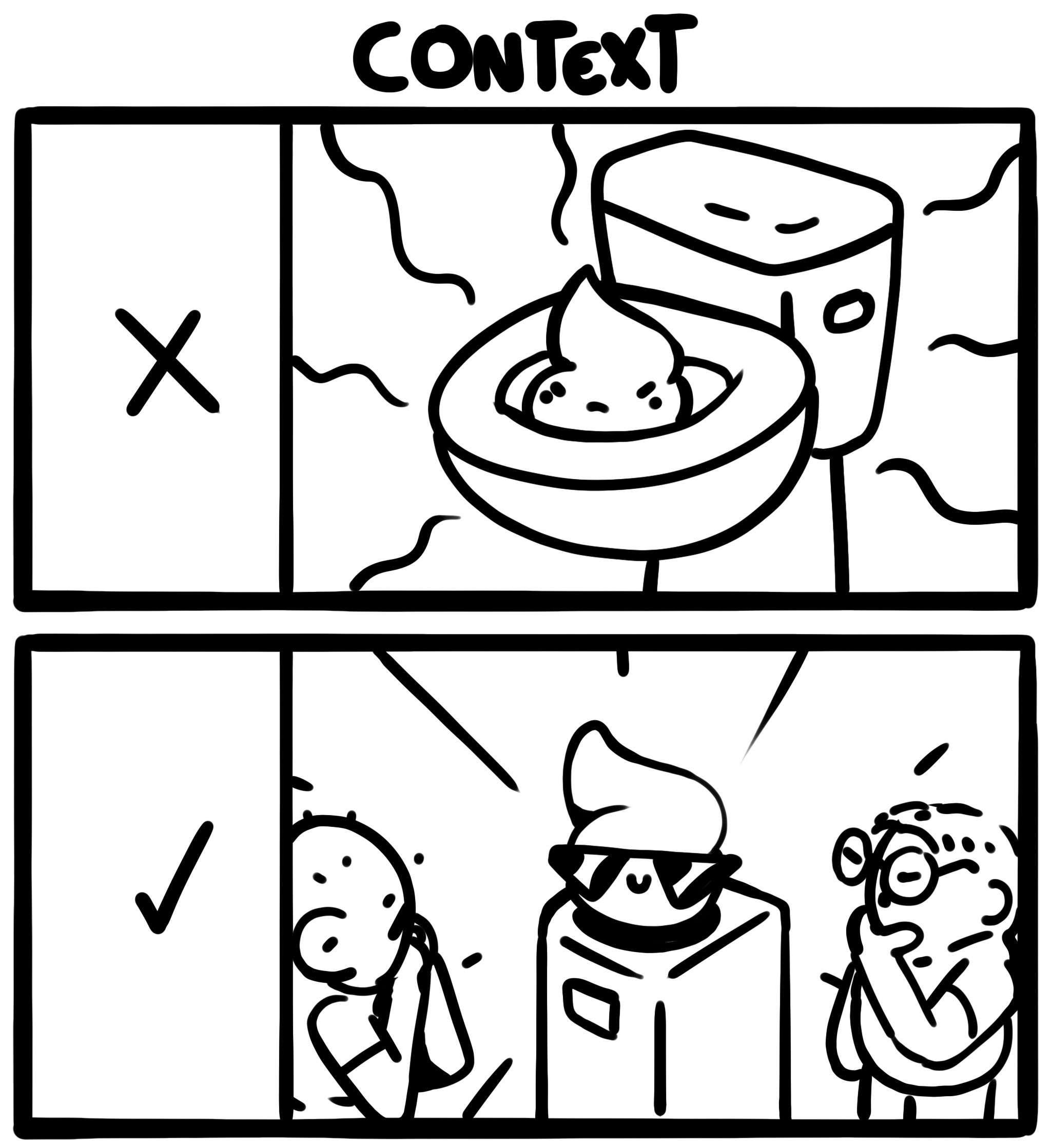
This is because of 2 reasons,
The content of the pieces. What are you trying to say?
The form, the how. Every context and format requires a unique treatment. A style frame for animation needs a different approach than a print to hang on a gallery, or a t-shirt to wear.
Every art form speaks their own language.
For example in illustration for printing, this is a no for me:
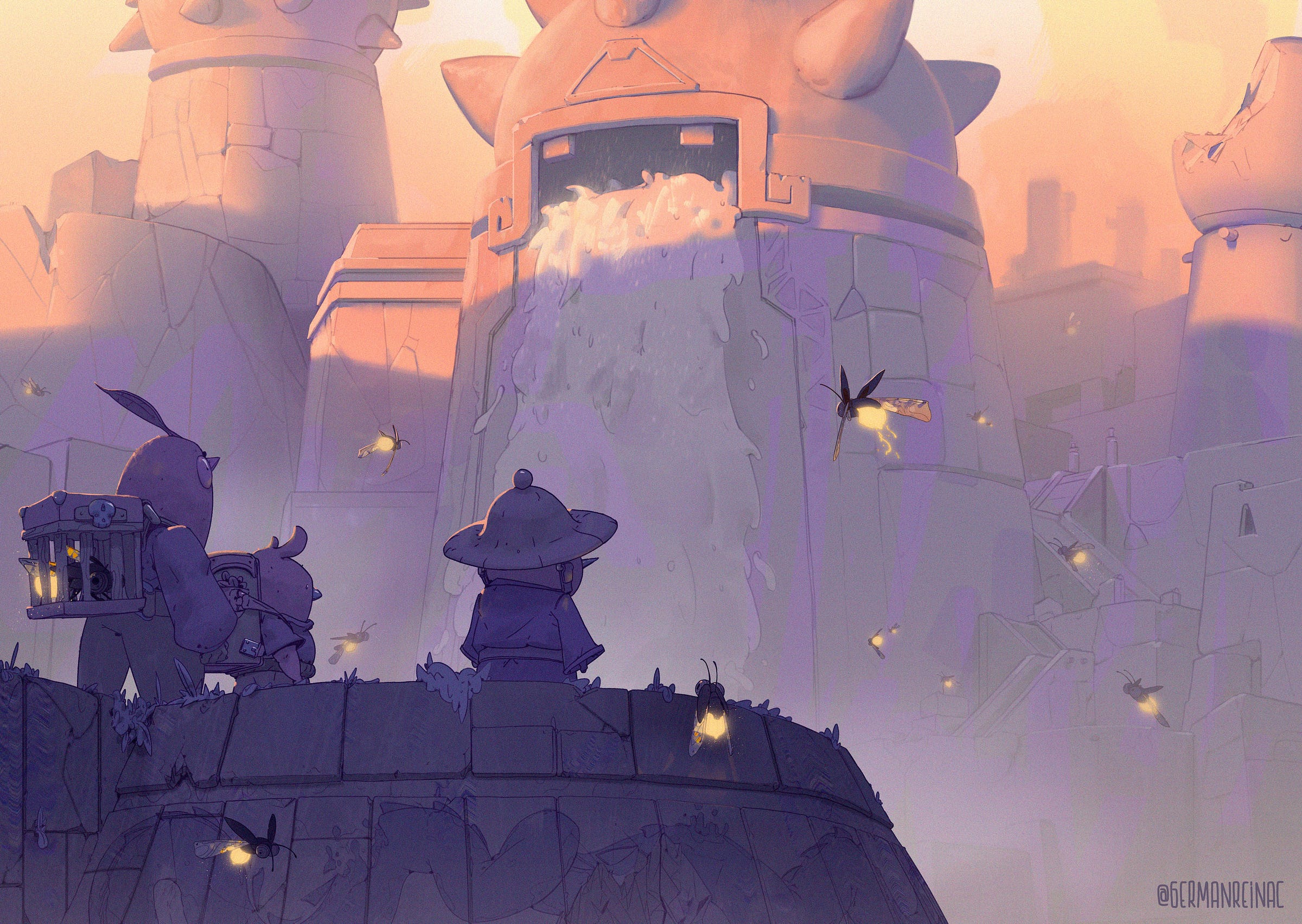
And this works better:
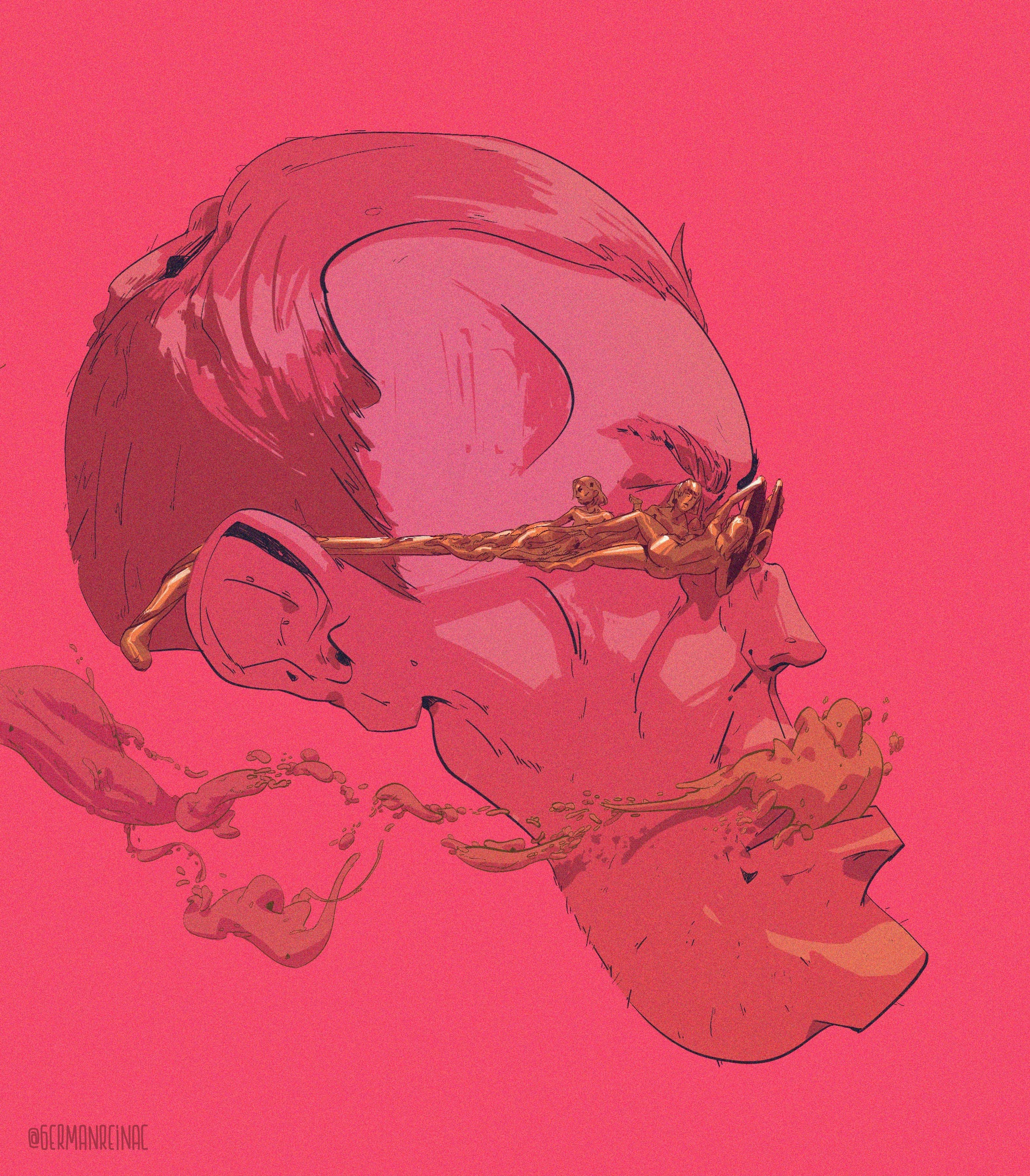
With prints, I’m thinking aesthetics first.
Tighter compositions. More graphic. Bolder ideas.
What to Explore
Identify the areas where you are not happy with your art, maybe is the way you storyboard, or create character designs. Think on treatments and techniques to try.
There are 2 contexts where I need to work on my art:
Prints, using the aesthetic principle we just mentioned (very taste based).
Comic panels to tell short funny stories: this was my initial goal with Colorpoop. But I have been afraid of doing it.
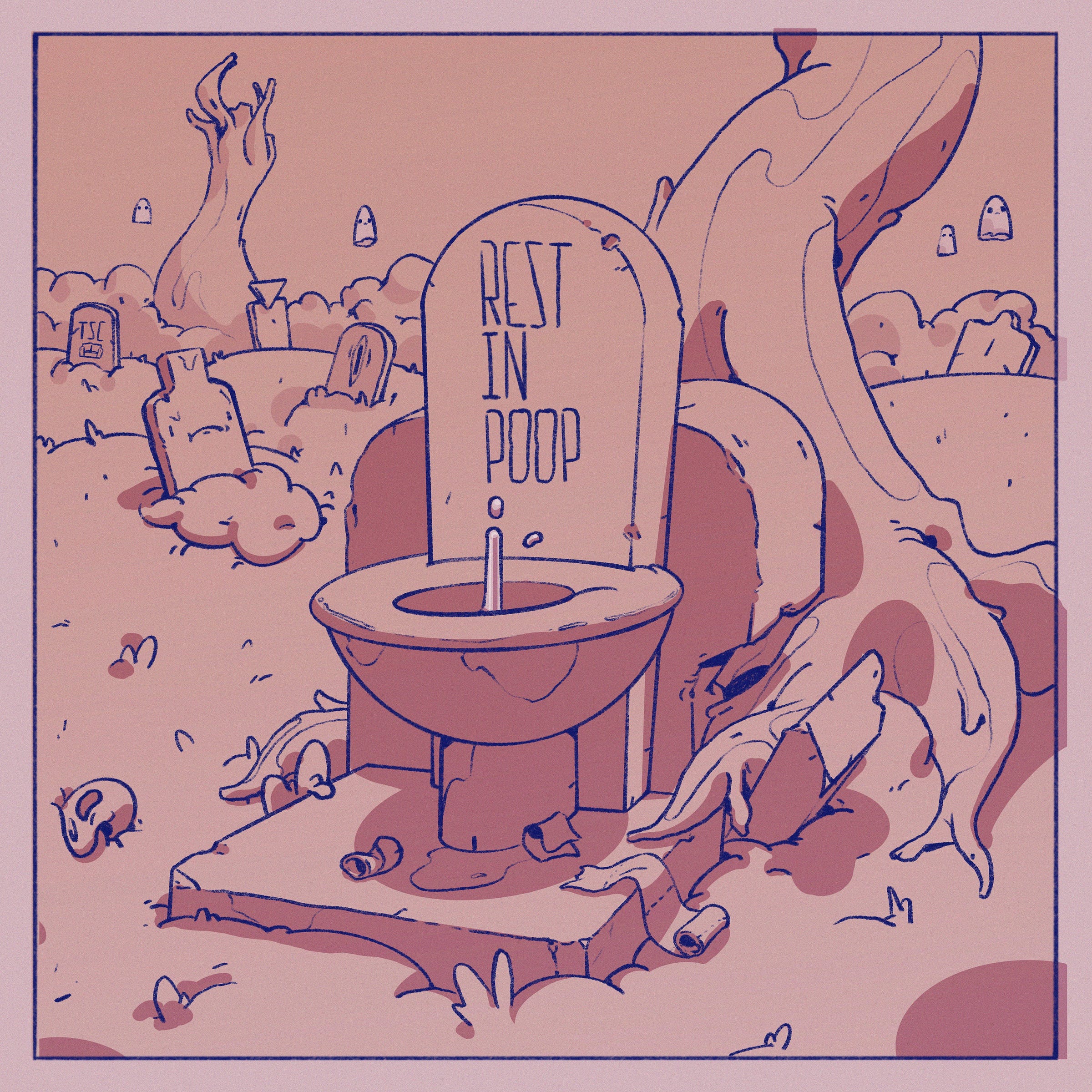
There’s a huge range of possibilities to explore and find your own way.
As artists we all wrestle with this too at different stages.
I will share experiments and how to try to explore this aspects and find a solution.
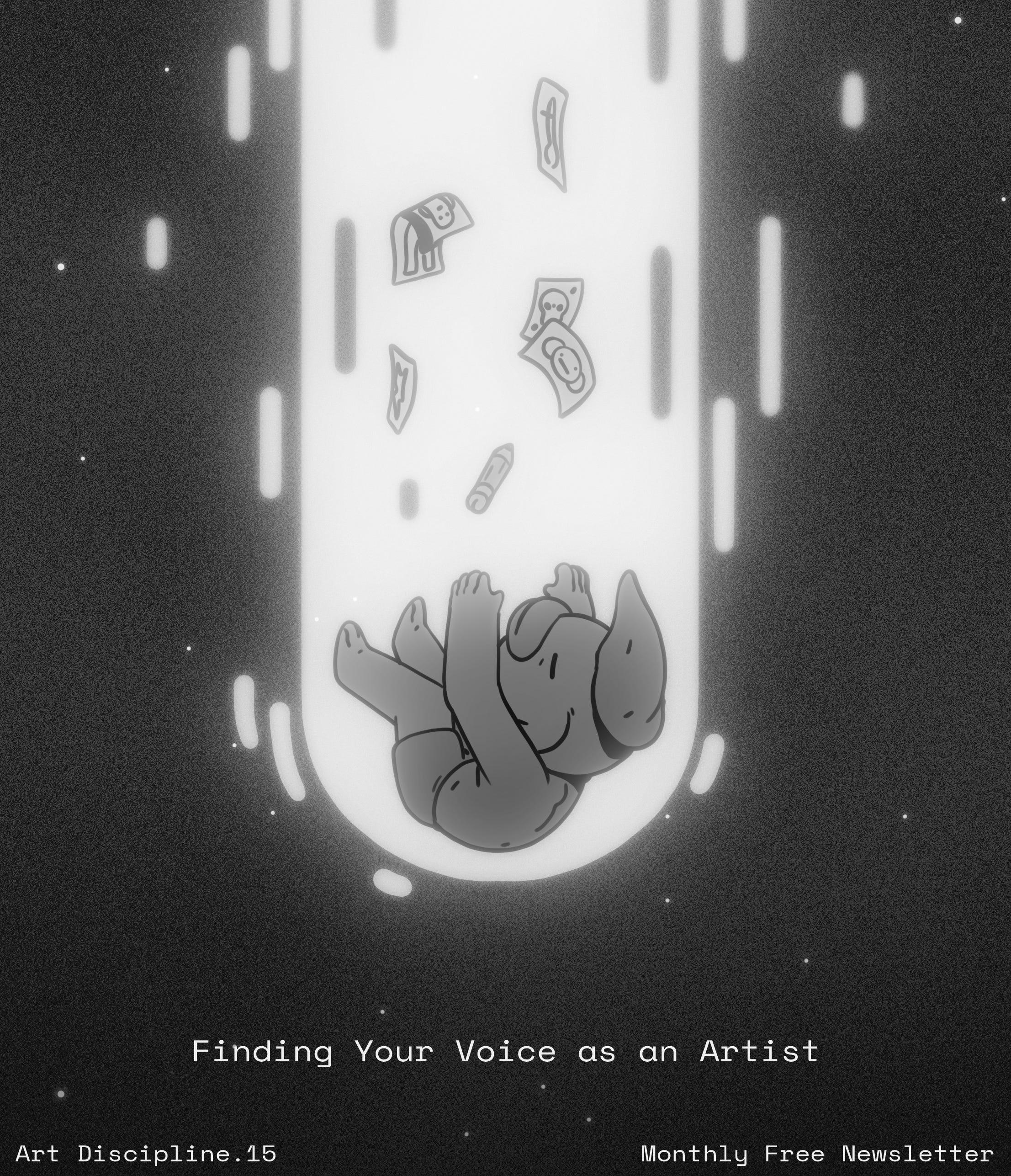
See you in the next drop <3
Stay Creative,

Art Discipline is an independently-run newsletter. If you’ve enjoyed it, consider subscribing and sharing it with others.
Character Design Tutorial and Free Brushes here!
Enjoying it? Get every issue by email.

Free monthly newsletter
Enjoyed this? Get the next one.
Art Discipline lands once a month. Free, honest, a little weird.
No spam, one email a month. Grab the free Photoshop Toolkit too.